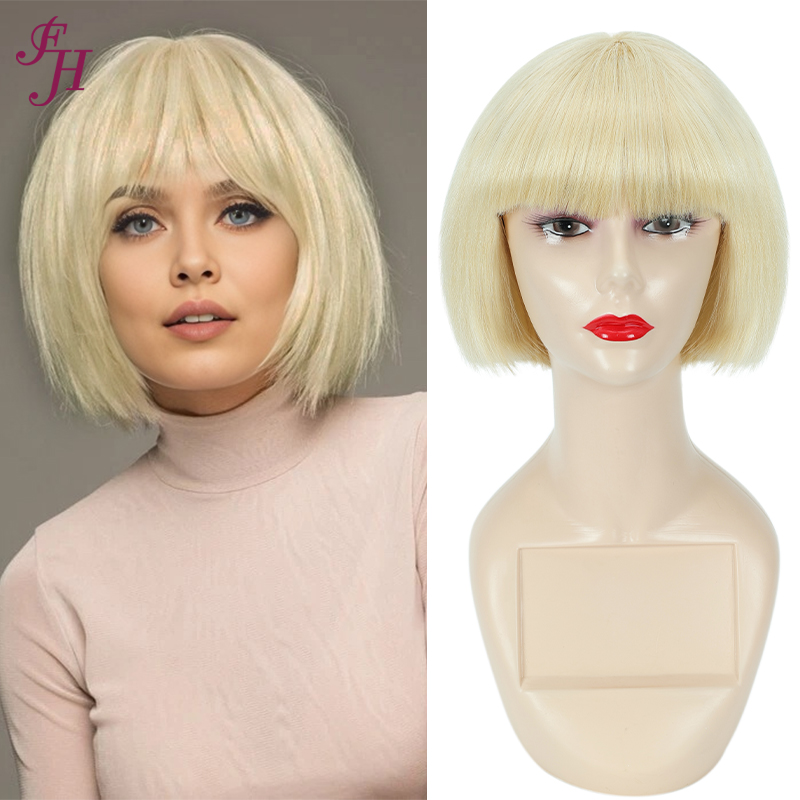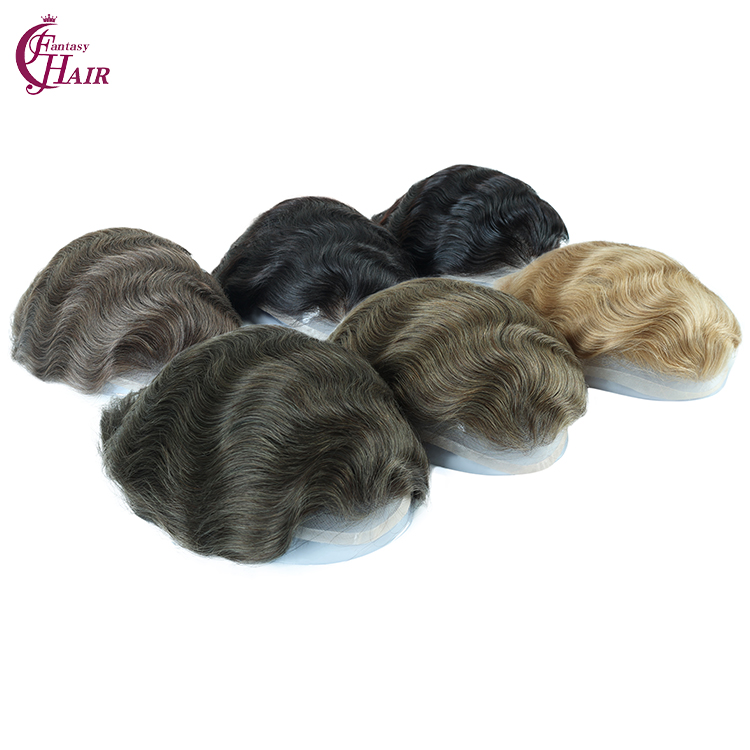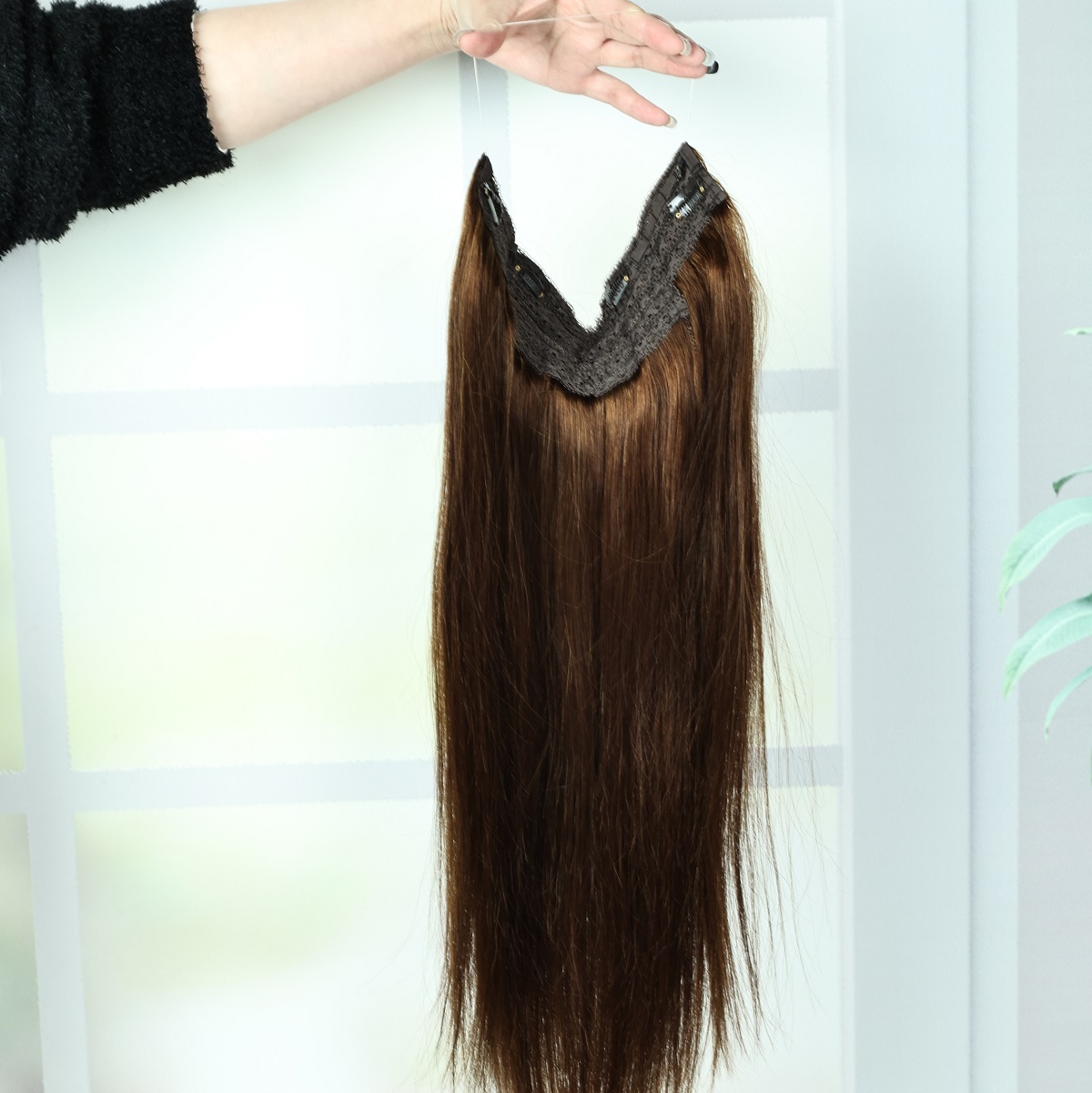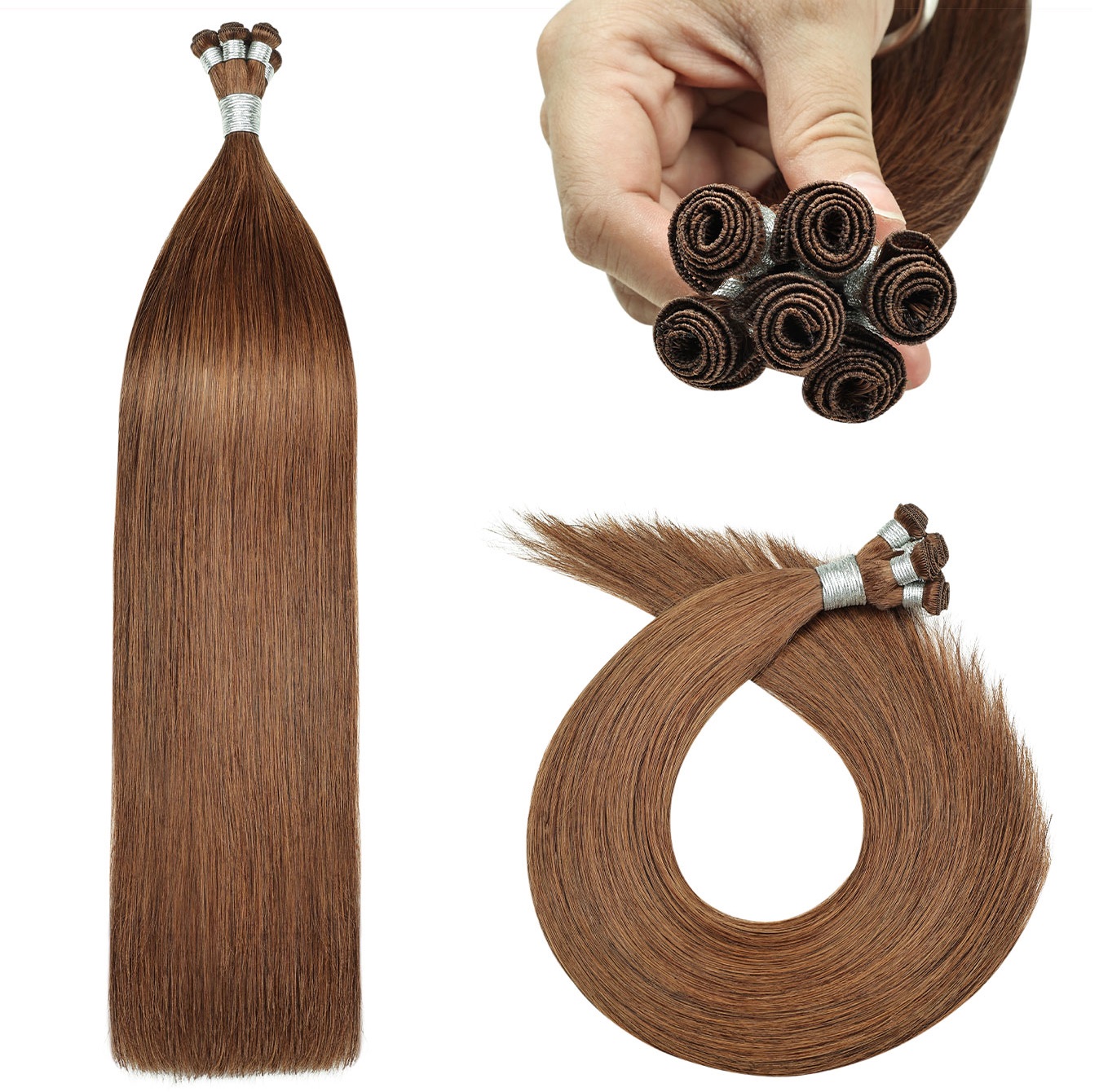
The beauty industry is a dynamic and ever-evolving sector that thrives on innovation and consumer demands. Among the various segments within this industry, hair care stands out as a significant area of growth, particularly in the areas of hair extensions and wigs. Human hair vendors play a crucial role in this market, providing the raw materials that enable the creation of high-quality, natural-looking hairpieces. This article explores the significance of human hair vendors, their influence on the beauty industry, and the factors that make them a vital component of the hair care market, ensuring adherence to the standards necessary for Google indexing and official website content.
The Significance of Human Hair in the Beauty Industry
Human hair is highly sought after in the beauty industry for its natural appearance and versatility:
1. Natural Appearance: Human hair extensions and wigs provide a natural look that synthetic alternatives often cannot replicate.
2. Versatility: Human hair can be styled, colored, and treated similarly to one’s own hair, offering versatility in fashion and personal expression.
3. Durability: High-quality human hair products are durable and can last significantly longer than synthetic options when correctly cared for.
The Role of Human Hair Vendors
Human hair vendors are essential in the supply chain of the beauty industry:
1. Sourcing: Vendors are responsible for sourcing raw human hair, often from regions where hair donations are a cultural norm.
2. Quality Control: They ensure that the hair is processed and treated to maintain its quality and longevity, adhering to industry standards.
3. Distribution: Human hair vendors distribute these products to manufacturers, wholesalers, and retailers, who then bring them to consumers.
The Sourcing Process: Ethical Considerations
The sourcing of human hair must be conducted with ethical considerations:
1. Consent and Compensation: Ethical human hair vendors ensure that hair is sourced with informed consent and that donors are fairly compensated.
2. Health and Safety: Vendors also ensure that the hair is sourced in a manner that maintains health and safety standards, free from contaminants.
3. Sustainability: Sustainable sourcing practices are increasingly important, with vendors aiming to minimize environmental impact.
Processing Techniques: Ensuring Quality
The processing of human hair requires precision and expertise to maintain its quality:
1. Cleaning: The hair is thoroughly cleaned to remove any impurities before it is treated or sold.
2. Chemical Treatment: Some vendors may treat the hair with chemicals to achieve specific colors or textures, always ensuring the hair remains in excellent condition.
3. Wefting and Bonding: Vendors provide processed hair in various forms, such as wefts or strands that are ready for extension applications or wig making.
The Impact on the Beauty Industry
Human hair vendors have a significant impact on the beauty industry:
1. Trend Setting: The availability of high-quality human hair products enables the beauty industry to set trends in hair fashion.
2. Economic Growth: The human hair market contributes to economic growth, providing employment opportunities and business ventures.
3. Consumer Satisfaction: By offering a natural and versatile option, human hair vendors meet the demands of consumers who seek high-quality hair care solutions.
The Global Market for Human Hair
The market for human hair is global, with certain regions being major contributors:
1. Major Hair Exporting Countries: Countries like India and China are known for exporting large volumes of human hair due to cultural practices and a large population base.
2. International Trade: The international trade of human hair requires vendors to navigate complex logistics and regulatory requirements.
3. Cultural Exchange: The global market for human hair also facilitates cultural exchange, with different hair types and styles being appreciated and adopted worldwide.
Sustainability and Human Hair Vendors
Sustainability is a growing concern in the human hair industry:
1. Eco-Friendly Practices: Human hair vendors are increasingly adopting eco-friendly practices in processing and packaging.
2. Circular Economy: The industry is exploring ways to integrate into a circular economy, reducing waste and promoting recycling.
3. Social Responsibility: Vendors are also focusing on social responsibility, supporting local communities and ensuring fair trade practices.
Conclusion
Human hair vendors are the backbone of the hair extension and wig market, providing the raw materials that allow the beauty industry to thrive. Their role in sourcing, processing, and distributing high-quality human hair is pivotal to meeting consumer demands for natural and versatile hair care solutions. As the industry continues to grow, so does the importance of ethical sourcing, sustainability, and the overall impact that human hair vendors have on the global stage. By embracing these values, human hair vendors can ensure a bright future for the beauty industry and the communities they serve.