China has established itself as the undisputed global leader in the human hair industry, supplying high-quality wigs, extensions, and hair products to markets across North America, Europe, Africa, and beyond. For international buyers seeking reliable partners, understanding the landscape of human hair vendors in China is essential for successful sourcing. This comprehensive guide explores the major manufacturing hubs, supplier evaluation criteria, and market trends that define this dynamic industry.
The Rise of China’s Human Hair Industry
The human hair trade in China is not a recent phenomenon. It has deep historical roots, stretching back over a century, and has evolved from humble beginnings into a sophisticated, multi-billion-dollar export sector. What began with traveling merchants collecting hair from rural villages has transformed into a vertically integrated industry encompassing raw-material procurement, advanced processing, and global distribution.
Today, China dominates the global human hair supply chain through two primary advantages: access to raw materials and generations of processing expertise. Suppliers source virgin hair from India, Vietnam, Cambodia, and Myanmar. At the same time, domestic collection networks gather Chinese hair prized for its strength and texture. This combination allows vendors to offer competitive pricing without compromising quality.
Major Human Hair Manufacturing Hubs in China
Successful sourcing begins with understanding the distinct characteristics of China’s major hair production centers.
Xuchang, Henan: The Hair Capital of China
Xuchang is the epicenter of China’s wig and hair extension industry, with roots dating back to the Qing Dynasty, when locals crafted hairpieces for traditional opera performances. Today, this city hosts thousands of manufacturers and supports over 300,000 workers in the hair products sector.
Key strengths of Xuchang vendors:
- Deep technical expertise: Generations of experience in hair processing techniques like double-drawing, cuticle alignment, and hand-tied construction
- Product diversity: Over 3,000 product varieties ranging from basic wefts to premium lace-front wigs
- Export volume: Annual export revenue exceeding 20 billion yuan ($2.8 billion)
- Raw material access: Proximity to one of China’s largest human hair collection networks
Companies like Henan Rebecca Hair Products, China’s first publicly traded wig manufacturer, exemplify Xuchang’s evolution from a raw-material supplier to a global brand. With factories in Nigeria, Ghana, and Cambodia, these vendors demonstrate the international reach of Xuchang’s hair industry.
Juancheng, Shandong: The Capital of China’s Hair Products
Shandong Province, particularly Juancheng County, represents another powerhouse in human hair manufacturing. Known as the “Capital of China’s Hair Products,” Juancheng specializes in high-end human hair production and has built a complete industrial chain from raw material procurement to finished product sales.
Impressive industry metrics:
- Over 1,500 hair product enterprises are operating in the region
- 111 large-scale enterprises generating 4.17 billion yuan in industrial output (January-July 2025)
- 70% global market share for hair extension products
- 90% domestic market dominance
Juancheng’s success stems from its “park agglomeration” model, featuring three major industrial parks housing over 130 enterprises. These parks provide comprehensive infrastructure, including cross-border e-commerce service centers and bonded warehouses, enabling seamless import of raw materials and export of finished products.
Tahe County, Anhui: The Rising Star
While less internationally known than Xuchang or Juancheng, Tahe County in Anhui Province has emerged as a significant player. As the largest human hair raw material distribution center in China, Tahe commands 70% of the domestic raw material market share. The region’s Maiji Town has transformed from a collection point into a sophisticated manufacturing base with over 4,000 enterprises and individual processing workshops.
Tahe’s “buy global, sell global” business model leverages an extensive procurement network spanning Southeast Asia, Europe, and the Americas. In 2024, the region’s hair industry achieved an annual output value exceeding 10 billion yuan, with exports reaching $120 million.
Guangzhou, Guangdong: The Export Gateway
Guangzhou serves as both a manufacturing hub and the primary export gateway for China’s hair industry. Vendors in this region benefit from proximity to major international ports and advanced dyeing technologies. Guangzhou suppliers typically excel in:
- Customization capabilities: Rapid response to specific color, texture, and style requirements
- Logistics efficiency: Streamlined shipping to global destinations
- Premium positioning: Focus on high-end, fashion-forward products
Types of Human Hair Products from Chinese Vendors
Chinese manufacturers produce an extensive range of hair products to meet diverse global demand.
Product Category Description Typical Applications
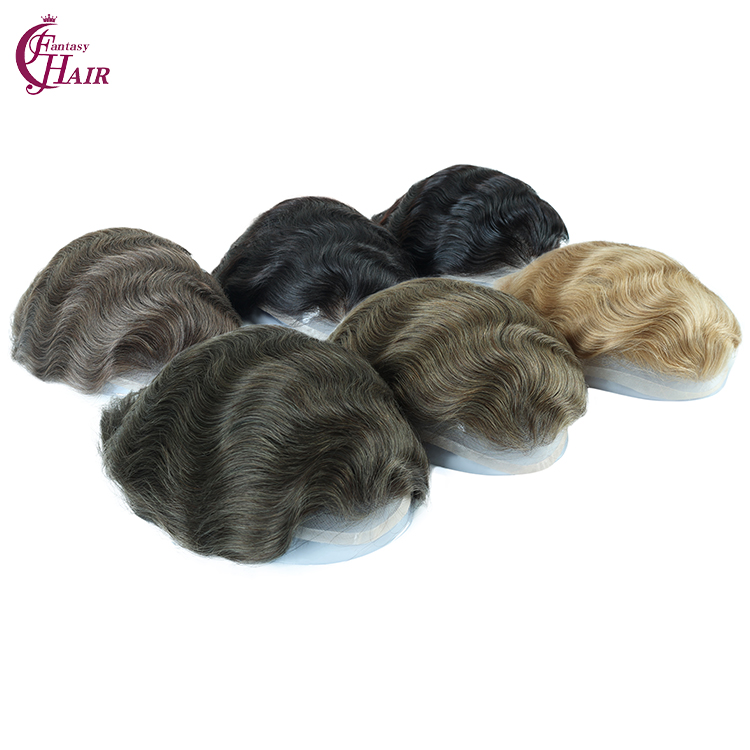
Wigs Full-cap wigs in various constructions (lace front, monofilament, capless) Medical hair loss, fashion, everyday wear
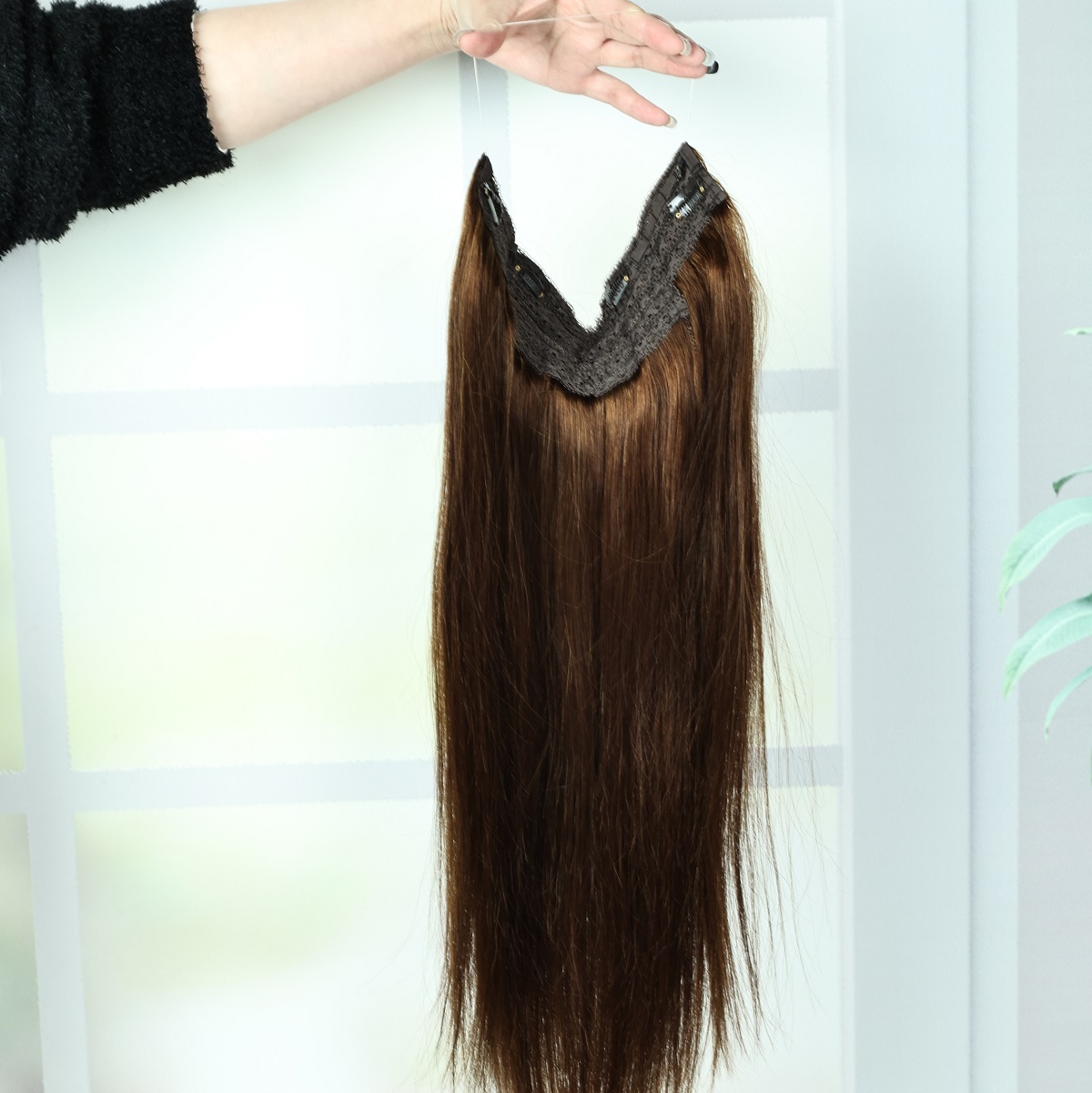
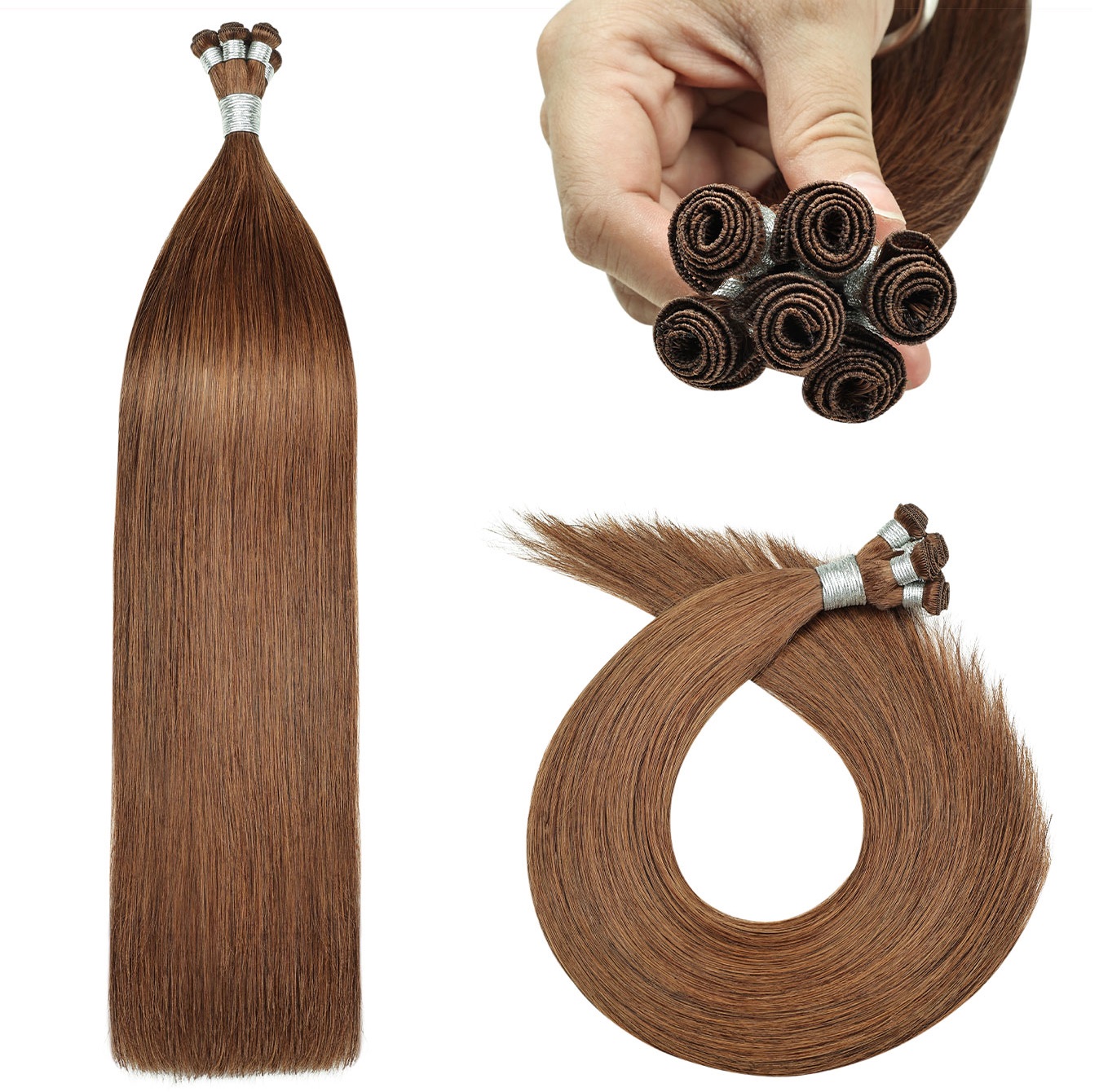
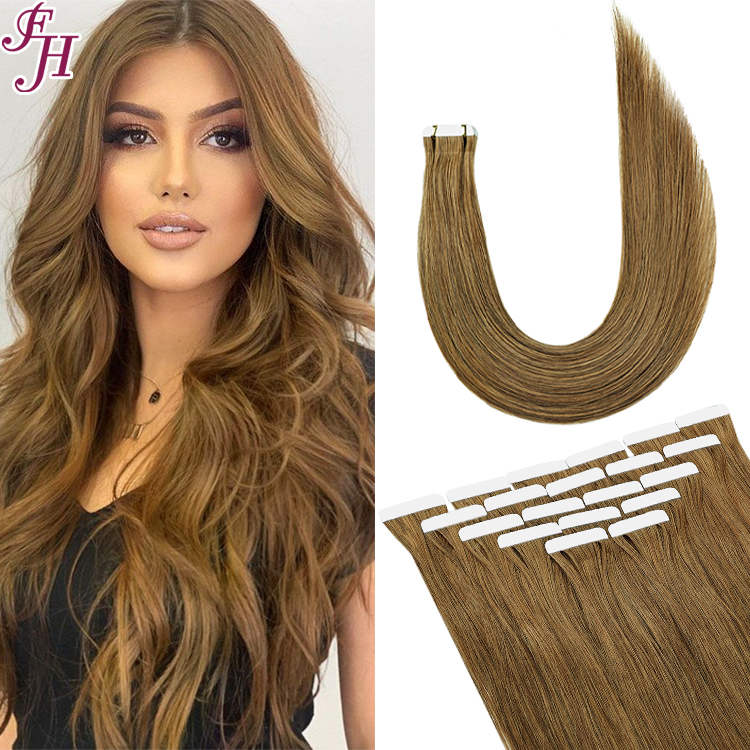
Extensions, Clip-ins, tape-ins, sew-in wefts, micro-link loops. Volume enhancement, length addition
Closures & Frontals, Lace pieces creating natural hairlines, Protective styling, sew-in installations
Bulk Hair Unprocessed or minimally processed hair bundles DIY styling, salon professional use.
Custom Designs OEM/ODM services for private label brands, Brand differentiation, market expansion
Raw Material Sourcing and Quality Grades
Understanding hair quality grades is crucial when evaluating potential vendors.
Virgin vs. Remy vs. Non-Remy Hair
Virgin Hair: The highest quality grade, collected from a single donor with all cuticles intact and aligned. It has never been chemically processed and can be dyed, bleached, and styled like natural hair. Vendors offering virgin hair typically source it from temple donations in India or from rural collection programs in Vietnam and China.
Remy Hair: Maintains intact cuticles aligned in the same direction, minimizing tangling and matting. While of premium quality, it may undergo light processing. Most reputable Chinese vendors specialize in Remy hair products.
Non-Remy Hair: Cuticles are removed through acid washing or chemical stripping to reduce tangling. This grade is more affordable but lacks the longevity and styling versatility of higher grades.
Geographic Origins
Chinese vendors source hair from multiple regions, each offering distinct characteristics:
- Indian hair: Fine texture, wide range of natural colors, excellent for Remy processing
- Vietnamese hair: Thicker strands, exceptional durability, growing in popularity
- Cambodian hair: Medium texture, natural black color, good value proposition
- Chinese hair: Strong, straight strands, primarily collected domestically
- Brazilian hair: Full body, easy styling, premium market positioning
How to Evaluate and Select Reliable Vendors
With thousands of suppliers operating across China, implementing a structured evaluation framework protects your business interests.
1. Verify Credentials and Compliance
Reputable vendors maintain internationally recognized certifications, including ISO 9001 for quality management and, where applicable, ISO 13485 for medical-grade wigs. For U.S. market entry, FDA compliance documentation should be readily available.
2. Assess Production Capacity
Facility size correlates with order-handling capability. Major vendors operate facilities exceeding 3,000 square meters and employ 100+ people. Request virtual factory tours or third-party audit reports to verify claimed capabilities.
3. Request and Test Samples
Never place bulk orders without physical sample evaluation. Conduct:
- Burn tests: Human hair emits white smoke and protein odor; synthetic materials smell like plastic
- Cuticle inspection: Use magnification to verify intact, aligned cuticles
- Tensile testing: Assess resistance to breakage under tension
- Colorfastness: Confirm no fading after washing
4. Evaluate Responsiveness
Supplier response time reflects operational discipline. Top performers maintain sub-three-hour reply windows and demonstrate willingness to address detailed technical questions.
5. Review Performance Metrics
Leading vendors track and share key performance indicators:
SupplierLocationResponse TimeOn-Time DeliveryReorder Rate
Guangzhou Beisheng Guangdong ≤3 hours 100.0% 25%
Shandong X-Hair Shandong ≤1 hour 100.0% 23%
Qingdao Nerissa Shandong ≤2 hours 100.0% 28%
Yiwu Jiaxiu Zhejiang ≤4 hours 99.6% 33%
Source: Alibaba supplier performance data
Pricing Considerations and Cost Structure
Human hair pricing varies significantly based on origin, quality grade, length, and processing complexity. Understanding typical price ranges helps benchmark vendor quotations.
Price Comparison by Hair Type (18″ Length, FOB USD)
Hair Type Quality Grade Typical Price Range MOQ
Chinese Remy Standard $5.90 – $9.90 100-200 units
Indian Temple Remy Premium $7.20 – $15.00 50-100 units
Vietnamese Virgin Ultra-premium $9.80 – $27.50 1-50 units
Brazilian Virgin Luxury $8.50 – $39.00 1-50 units
Note: Prices are indicative and subject to market fluctuations
Hidden Costs to Consider
Beyond unit pricing, factor in:
- Custom processing: Special colors, textures, or cap constructions
- Private labeling: Custom packaging and branding materials
- Shipping: Air freight (5-7 days) vs. sea freight (25-40 days)
- Import duties: Vary by destination country
- Quality control: Third-party inspection services for large orders
The Shift Toward Cross-Border E-Commerce
Chinese hair vendors have rapidly embraced digital transformation, with many achieving significant online revenue. Nearly 200 enterprises in Juancheng alone maintain an active presence on platforms like Alibaba International Station and TikTok, with some brands processing 2,000 daily orders through social media marketing.
This digital evolution benefits international buyers through:
- Direct manufacturer access: Eliminating intermediary markups
- Transparent pricing: Competitive quotes visible across multiple suppliers
- Streamlined communication: Real-time messaging and video consultations
- Order tracking: Digital visibility into production and shipping status
Emerging Trends in China’s Hair Industry
Brand Development
Chinese manufacturers are moving beyond OEM production to build their own brands. Twenty companies in Juancheng have registered trademarks internationally, and twelve have established overseas warehouses to support direct-to-consumer sales. This brand focus translates to better quality control and more sophisticated product development.
Sustainable and Ethical Sourcing
Growing consumer awareness around ethical sourcing is reshaping the industry. Premium vendors now provide documentation tracing hair origin and verifying ethical collection practices. Vietnamese and Indian suppliers partnering with Chinese manufacturers often emphasize temple donation programs and fair compensation for donors.
Domestic Market Growth
While exports remain strong, Chinese vendors increasingly target domestic consumers. Young Chinese women now view wigs as fashion accessories rather than medical necessities, creating a booming local market. One industry observer notes, “Young people now see wigs as fashion accessories rather than just tools to cover baldness”.
Practical Tips for Working with Chinese Vendors
Communication Best Practices
- Use detailed specifications: Provide tech packs with length tolerances, color codes (preferably L’Oréal or Wella references), and texture samples
- Establish quality benchmarks: Define acceptable defect rates and inspection procedures
- Set clear timelines: Agree on production milestones and shipping deadlines
- Document everything: Maintain written records of all specifications and agreements
Payment and Contract Considerations
- Start with trial orders: Test quality and reliability before committing to volume
- Use secure payment methods: Escrow services protect both parties
- Structure payments: Typical terms include 30% deposit, 40% on production confirmation, 30% before shipment
- Verify export compliance: Ensure suppliers meet destination country regulations
Conclusion: Building Successful Partnerships
China’s human hair industry offers unparalleled advantages for international buyers: deep manufacturing expertise, complete vertical integration, competitive pricing, and sophisticated export infrastructure. By understanding the distinct characteristics of major production hubs—Xuchang’s artisanal heritage, Juancheng’s industrial scale, Tahe’s raw material dominance, and Guangzhou’s export efficiency—buyers can identify vendors aligned with their specific requirements.
Successful sourcing ultimately depends on thorough due diligence, clear communication, and relationship building. The vendors highlighted in this guide represent the industry’s best practices. Still, each buyer’s ideal partner will depend on their unique balance of quality requirements, volume needs, and market positioning.
As China’s hair industry continues evolving toward brand development, sustainable practices, and digital engagement, opportunities for meaningful international partnerships will only expand. Whether you’re launching a new brand or optimizing an existing supply chain, China’s human hair vendors offer the capabilities, experience, and infrastructure to support your success in the global beauty market.