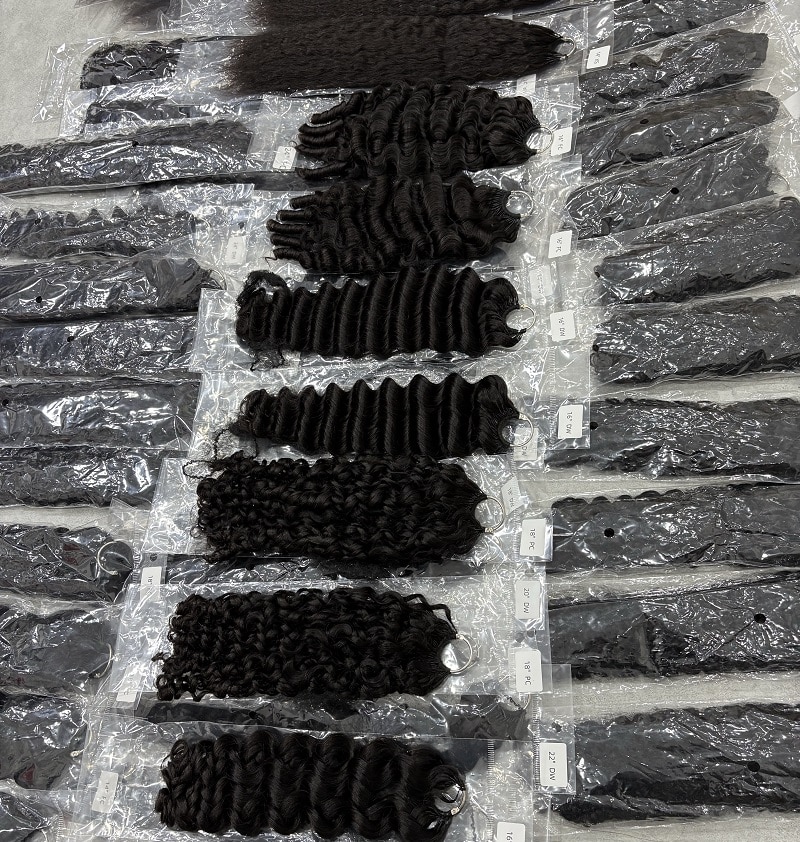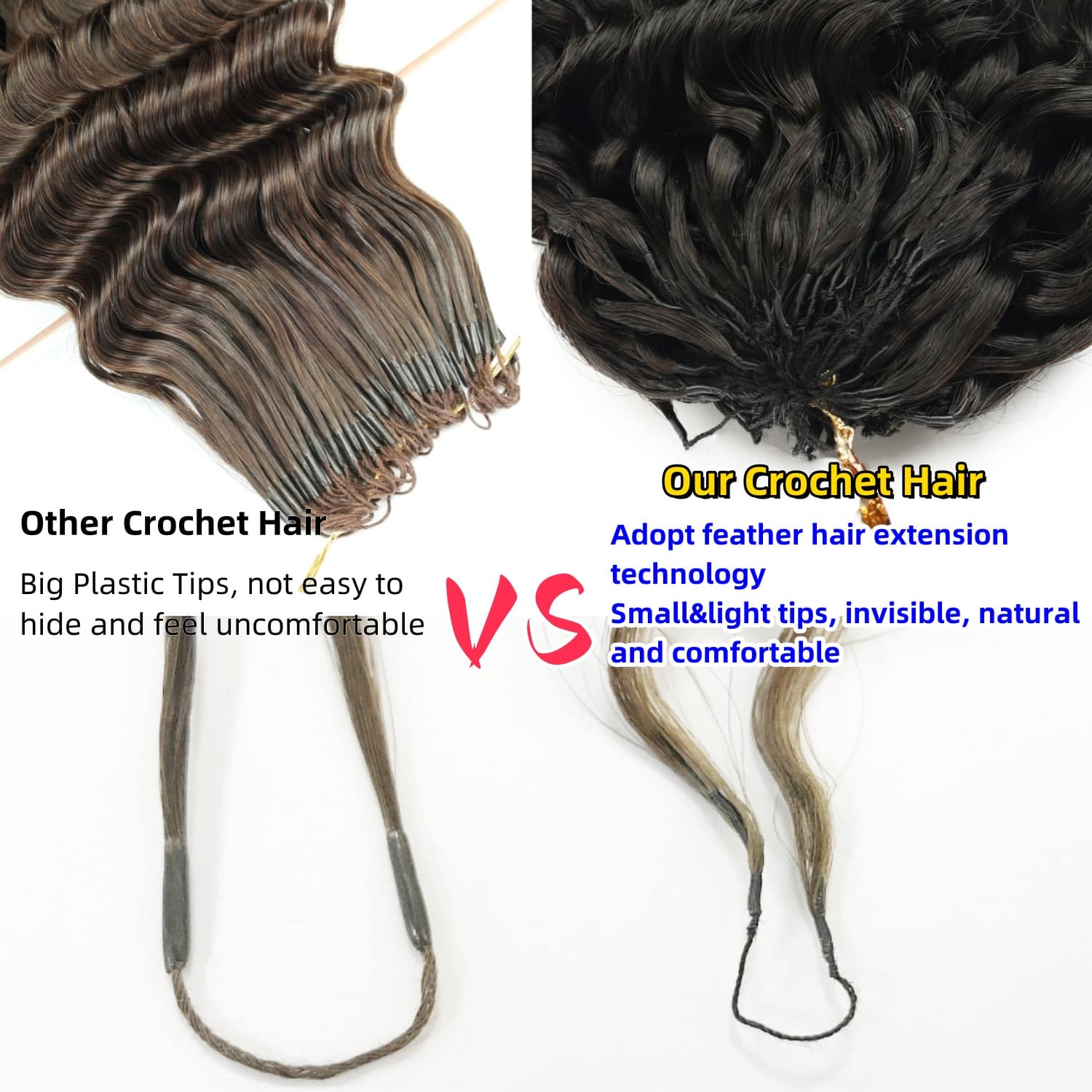
China’s human hair factories have become the epicenter of the global beauty industry, particularly in the realm of hair extensions. With a reputation for quality, variety, and innovation, these factories have revolutionized the way people around the world style their hair. This article will delve into the inner workings of China’s human hair factories, the products they produce, and the impact they have on the global market.
The Workings of Human Hair Factories
China’s human hair factories are intricate operations that involve several key steps:
- Sourcing the Hair: The first step is sourcing raw human hair. This is typically collected from donors who have agreed to剪 their hair for use in extensions. Factories ensure that the hair is sourced ethically and sustainably.
- Sorting and Cleaning: Once the hair is collected, it is sorted by quality, length, and color. It is then thoroughly cleaned to remove any impurities, ensuring that the hair is in its purest form before processing.
- Processing and Treatment: The hair undergoes various treatments to achieve the desired texture, color, and style. This may include chemical processing to straighten, curl, or dye the hair, as well as treatments to strengthen and condition it.
- Manufacturing Extensions: The processed hair is then manufactured into different types of extensions, such as clip-ins, weaves, and wigs. This involves skilled craftsmanship to ensure the extensions are durable and blend seamlessly with the wearer’s natural hair.
- Quality Control: Before the extensions leave the factory, they undergo rigorous quality control checks to ensure they meet the highest standards.
Products and Offerings
Chinese human hair factories produce a wide range of products:
- Virgin Hair: Virgin hair is the most sought-after type, as it is unprocessed and in its natural state. It is highly durable and can be styled in various ways.
- Remy Hair: Remy hair has the cuticles intact and aligned in the same direction, which reduces tangling and matting. It is a popular choice for its softness and ease of maintenance.
- Non-Remy Hair: Non-Remy hair is more affordable but can be more prone to tangling. It undergoes processing to improve its texture and longevity.
- Specialty Items: Factories also produce specialty items such as colored hair extensions, dreadlocks, and closures, catering to specific customer preferences.
The Global Impact
China’s human hair factories have a significant impact on the global market:
- Economic Influence: The export of human hair extensions contributes to China’s economy, providing jobs and supporting local businesses.
- Market Reach: Chinese human hair products are exported to countries around the world, satisfying the demand for high-quality hair extensions in various markets.
- Innovation: Chinese factories are at the forefront of innovation, continuously developing new products and styles that set trends in the beauty industry.
Challenges and Considerations
Despite their success, China’s human hair factories face several challenges:
- Ethical Concerns: Ethical sourcing is a growing concern, with consumers demanding transparency and assurance that the hair is sourced with donor consent.
- Quality Control: Maintaining consistent quality can be challenging, especially with the high volume of products being produced.
- Environmental Impact: The environmental impact of chemical processing and manufacturing is an area of concern that factories are increasingly addressing.
- Global Competition: While China is a dominant player, other countries are entering the market, leading to increased competition.
The Role of Technology and Sustainability
Technology and sustainability are key focus areas for China’s human hair factories:
- Automated Processes: Automation has improved efficiency and reduced human error in the manufacturing process.
- Eco-Friendly Practices: Factories are adopting eco-friendly practices, such as using biodegradable packaging and reducing water consumption in processing.
- Research and Development: Investment in research and development is driving innovation, leading to new products and more sustainable production methods.
The Future of China’s Human Hair Factories
The future of China’s human hair factories looks promising, with several trends driving growth:
- Global Demand: The global demand for high-quality hair extensions continues to rise, driven by changing fashion trends and increased awareness of hair care.
- Digital Transformation: The adoption of digital technologies is enhancing supply chain efficiency and customer engagement.
- Sustainability: As consumers become more environmentally conscious, there will be a greater emphasis on sustainable practices in the industry.
Conclusion
China’s human hair factories are a testament to the country’s manufacturing prowess and its ability to meet the demands of the global beauty industry. These factories have not only satisfied the demand for high-quality hair extensions but have also driven innovation and sustainability in the sector. As the industry continues to evolve, the role of Chinese human hair factories will remain pivotal, powering the global beauty industry and setting new standards for quality and sustainability. By embracing technology, ensuring ethical sourcing, and focusing on customer needs, these factories are well-positioned to thrive in the years to come.