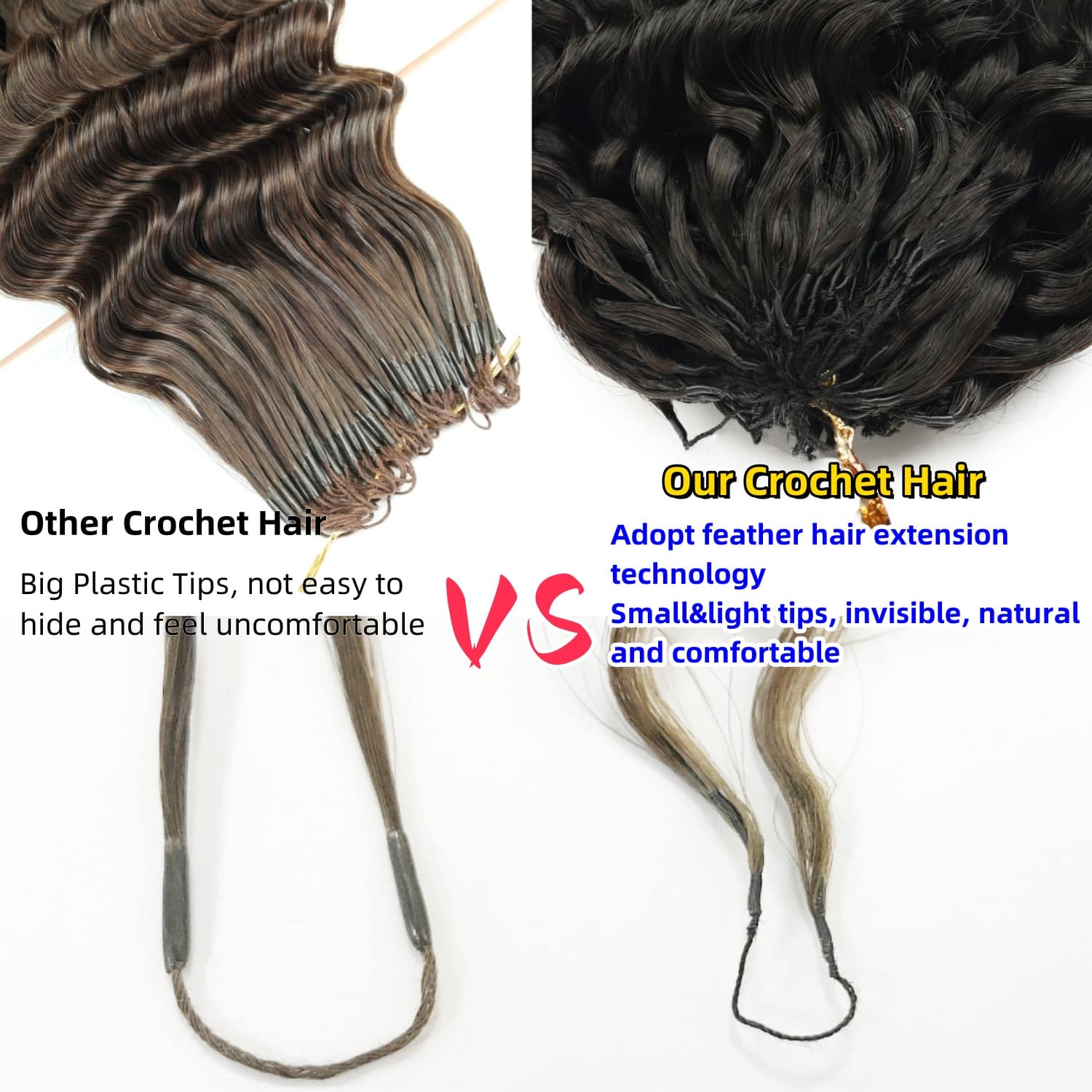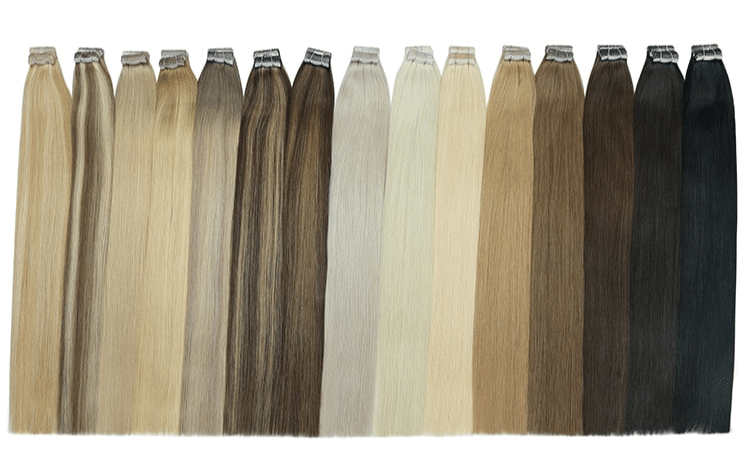
In the world of hair fashion, human hair vendors play a pivotal role in providing the raw material that transforms into luscious locks for individuals seeking the perfect hairdo. The demand for high-quality human hair has been on the rise, driven by the beauty industry’s need for extensions, wigs, and hairpieces that provide a natural appearance and texture. This article examines the significance of human hair vendors, the factors that distinguish their products, and their influence on the global beauty market. The content is tailored to meet Google’s indexing criteria and the standards of official website content.
The Significance of Human Hair Vendors
Human hair vendors are the bridge between natural hair resources and the beauty industry:
1. Quality Assurance: They are responsible for ensuring the quality of the hair, which is crucial for consumer satisfaction and safety.
2. Market Supply: Human hair vendors supply the market with a range of hair types, textures, and lengths to meet diverse consumer needs.
3. Economic Contribution: The trade of human hair contributes to the economy, providing income opportunities for donors and business ventures for vendors.
The Sourcing and Processing of Human Hair
The process of sourcing and processing human hair is intricate and requires careful attention:
1. Ethical Sourcing: Reputable vendors prioritize ethical sourcing, ensuring that hair is collected with consent and in a manner that respects human rights.
2. Cleaning and Sanitization: Hair undergoes thorough cleaning and sanitization to remove impurities and ensure it is safe for use.
3. Sorting and Wefting: The hair is sorted by texture, color, and length, then wefted or bonded to create the final product, such as extensions or wigs.
Quality Indicators of Human Hair Products
Several quality indicators distinguish premium human hair products:
1. Cuticle Integrity: High-quality human hair retains the outer cuticle layer, which is essential for the hair’s strength and longevity.
2. Texture Consistency: Consistent texture throughout the hair strand ensures a natural appearance and reduces matting or tangling.
3. Color Uniformity: Uniform coloration, especially in virgin hair, is a sign of quality, as it indicates minimal processing.
The Role of Human Hair Vendors in the Beauty Industry
Human hair vendors are instrumental in shaping the beauty industry:
1. Trendsetting: They often set trends by offering new styles and treatments that align with the latest beauty fashions.
2. Product Innovation: Vendors innovate by developing new hair products, such as colored extensions and low-maintenance hairpieces.
3. Customer Experience: Vendors focus on providing an excellent customer experience, from product selection to after-sales service.
The Global Impact of Human Hair Vendors
The impact of human hair vendors extends beyond national borders:
1. International Trade: The trade of human hair is global, with vendors exporting to countries with high demand for hair extensions and wigs.
2. Cultural Exchange: The availability of various hair types allows for cultural exchange, as individuals experiment with different looks and styles.
3. Economic Growth: The human hair market contributes to economic growth, particularly in countries where hair donations and sales are a significant source of income.
Challenges and Prospects for Human Hair Vendors
Human hair vendors face challenges that test their resilience and adaptability:
1. Market Competition: The market is competitive, with many vendors vying for market share and consumer loyalty.
2. Regulatory Compliance: Vendors must navigate complex regulations regarding the import and export of human hair products.
3. Sustainability: There is a growing emphasis on sustainability, with consumers and regulatory bodies scrutinizing the environmental and ethical aspects of hair sourcing and processing.
The Future of Human Hair Vendors
Emerging trends and opportunities are shaping the future of human hair vendors:
1. Technological Advancements: Advances in technology are enabling vendors to improve processing methods and offer more durable and natural-looking hair products.
2. Sustainable Practices: Vendors are increasingly adopting sustainable practices to meet consumer demand for eco-friendly and ethically sourced products.
3. Diverse Market Segmentation: Vendors are exploring new market segments, including hair care products and services that cater to specific hair types and needs.
Conclusion
Human hair vendors are the unsung heroes of the beauty industry, providing the essential components for creating stunning hair transformations. Their role in ethical sourcing, quality assurance, and product innovation is invaluable. As the demand for human hair products continues to grow, vendors are rising to meet the market’s challenges, ensuring that consumers have access to safe, high-quality hair that enhances their natural beauty. With a focus on sustainability and customer satisfaction, the future looks promising for human hair vendors as they continue to shape the global landscape of beauty standards.