In the hair extension and wig industry, the quality of the product is paramount, and this begins with choosing the right human hair vendors. Human hair products are in high demand due to their natural appearance and longevity. However, with numerous vendors offering varying grades of hair, selecting the best supplier can be daunting. This guide will provide essential criteria when choosing human hair vendors to ensure you receive high-quality products that meet your customers’ expectations. The content is tailored to meet the standards necessary for Google indexing and official website content.
Evaluating Vendor Reputation and Experience
Reputation and experience are the cornerstones of a reliable human hair vendor:
1. Industry Standing: Research the vendor’s standing in the industry. A well-established vendor with a solid reputation will likely provide quality products and services.
2. Years in Business: Experience often equates to a deeper understanding of hair quality, processing techniques, and customer needs.
3. Customer Reviews: Read reviews and testimonials from other businesses and customers to gauge the vendor’s reliability and product quality.
Quality of Hair Offered
The quality of the hair is crucial, and it can vary significantly between vendors:
1. Hair Grade: Look for vendors that offer high-grade hair, such as Remy hair, which is known for its quality and longevity.
2. Virgin Hair: Virgin hair is unprocessed and free from chemicals, making it the most sought-after grade in the market.
3. Source of Hair: Ensure the vendor provides information about the hair’s source, including the country of origin and the ethical standards involved in sourcing.
Processing Techniques and Product Range
The way hair is processed can affect its quality and longevity:
1. Processing Methods: Vendors should use gentle processing methods to minimize damage to the hair cuticles, such as cold water washing and low-heat drying.
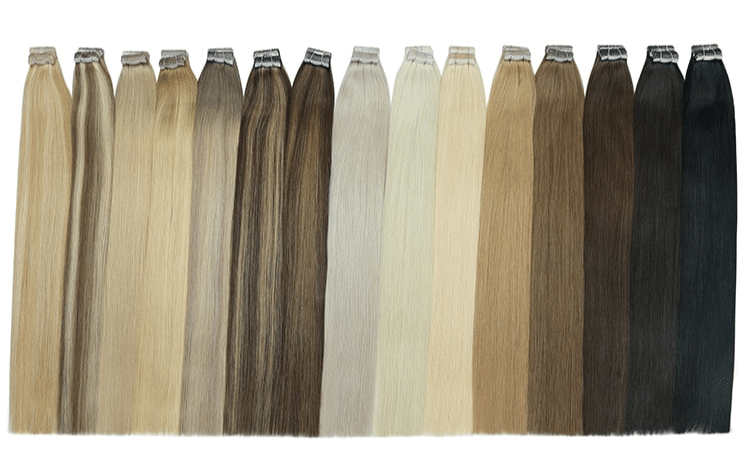
2. Variety of Products: A reputable vendor will offer various products, including different lengths, textures, and colors to suit various customer preferences.
Pricing and Cost-Effectiveness
Pricing is an essential consideration for maintaining profitability:
1. Competitive Pricing: Compare prices among vendors to ensure you’re getting the best value for your money without sacrificing quality.
2. Bulk Purchase Discounts: Inquire about discounts for bulk orders, which can help reduce costs and increase profit margins.
Compliance with Ethical and Legal Standards
Ethical sourcing and legal compliance are non-negotiable in the human hair industry:
1. Ethical Sourcing: Ensure the vendor adheres to ethical sourcing practices, including fair treatment of donors and compliance with international standards.
2. Legal Compliance: Check that the vendor complies with all relevant laws and regulations regarding the sale and trade of human hair.
Supply Chain Reliability and Lead Times
Reliability and timely delivery are essential for maintaining inventory and satisfying customer orders:
1. Supply Consistency: A reliable vendor should have a consistent supply chain to prevent stockouts and ensure steady product availability.
2. Lead Times: Inquire about lead times to ensure they align with your business’s inventory and order fulfillment schedule.
Customer Service and After-Sales Support
Exceptional customer service can enhance your business relationship with the vendor:
1. Responsive Communication: Choose a vendor that is easily reachable and responsive to inquiries and concerns.
2. After-Sales Support: Good after-sales support can help resolve any issues, ensuring customer satisfaction.
Building a Long-Term Relationship
Developing a long-term relationship with your human hair vendor can offer several benefits:
1. Priority Treatment: As a loyal customer, you may receive priority treatment, including better pricing and preferred delivery times.
2. Mutual Growth: As both businesses grow, you can work together to develop new products and improve existing ones.
Conclusion
Selecting the right human hair vendor is critical to your business’s success in the hair extension and wig market. By evaluating vendor reputation, considering hair quality, analyzing pricing, ensuring ethical and legal standards, and assessing supply chain reliability, you can make an informed decision that will benefit your customers and your bottom line. Remember, a trusted vendor is not just a supplier but a partner in your business’s growth and success.