In the booming global beauty industry, human hair products have become a staple for consumers and businesses alike, driving the demand for trustworthy human hair vendors to new heights. Whether you’re a salon owner, e-commerce retailer, or individual looking for high-quality hair extensions, wigs, or weaves, selecting the right vendor is critical to ensuring product quality, customer satisfaction, and long-term success. This guide breaks down the key factors to consider when choosing human hair vendors, highlights the traits of reputable suppliers, and addresses common pitfalls to avoid in 2026.
What Are Human Hair Vendors, and Why Do They Matter?
Human hair vendors are suppliers—either direct manufacturers, distributors, or origin-based sellers—that source, process, and sell 100% human hair for use in wigs, extensions, weaves, and other hair accessories. These vendors play a pivotal role in the beauty supply chain, as the quality of their products directly impacts the wearability, longevity, and natural appearance of the final hair pieces. Unlike synthetic hair, real human hair can be heat-styled, colored, and blended seamlessly with natural hair, making it a preferred choice for consumers seeking an authentic look—and reliable vendors are the backbone of this market segment.
The global demand for high-quality human hair has surged in recent years, fueled by social media influence, celebrity trends, and growing awareness of hair health. As a result, the number of human hair vendors has multiplied, ranging from small local suppliers to large-scale international manufacturers. However, not all vendors offer the same level of quality or transparency, making it essential to distinguish between reputable partners and low-quality sellers.
Key Traits of Reliable Human Hair Vendors
When evaluating human hair vendors, prioritize those that demonstrate the following characteristics—these are the hallmarks of suppliers that meet Google’s E-E-A-T (Experience, Expertise, Authoritativeness, Trust) standards and deliver consistent value:
1. Transparent Sourcing and Ethical Practices
Reputable vendors are open about where their hair comes from and how it is collected. High-quality human hair is typically sourced from regions like India, Vietnam, Brazil, and Eastern Europe, where donors sell their hair for cultural, religious, or financial reasons. Ethical vendors ensure that hair is collected humanely, with fair compensation for donors, and avoid unethical practices such as forced hair collection. They will also clearly disclose whether their hair is virgin (unprocessed), Remy (cuticle-aligned), or processed—no vague claims or misleading labels.
2. Strict Quality Control Standards
Top human hair vendors implement rigorous quality control processes from raw material intake to final packaging. This includes checking for cuticle alignment (to prevent tangling and shedding), ensuring consistent texture and thickness, and verifying that the hair is free from synthetic blends or chemical treatments. Reliable vendors often offer sample testing, allowing you to evaluate the hair’s softness, luster, and durability before placing bulk orders—a critical step for businesses investing in inventory.
3. Versatile Product Range and Customization
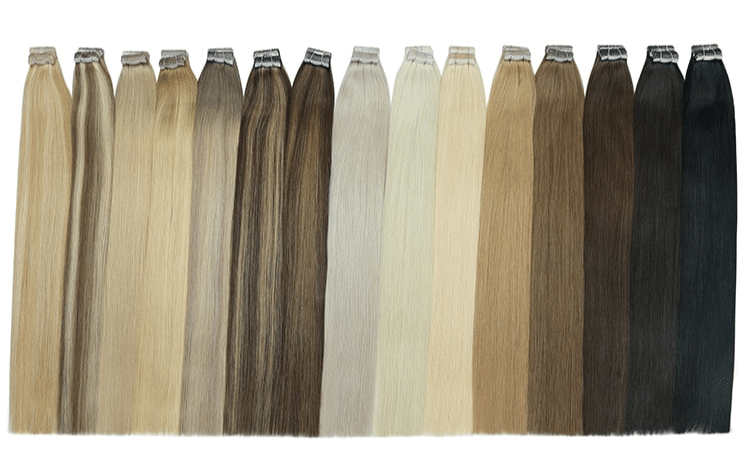
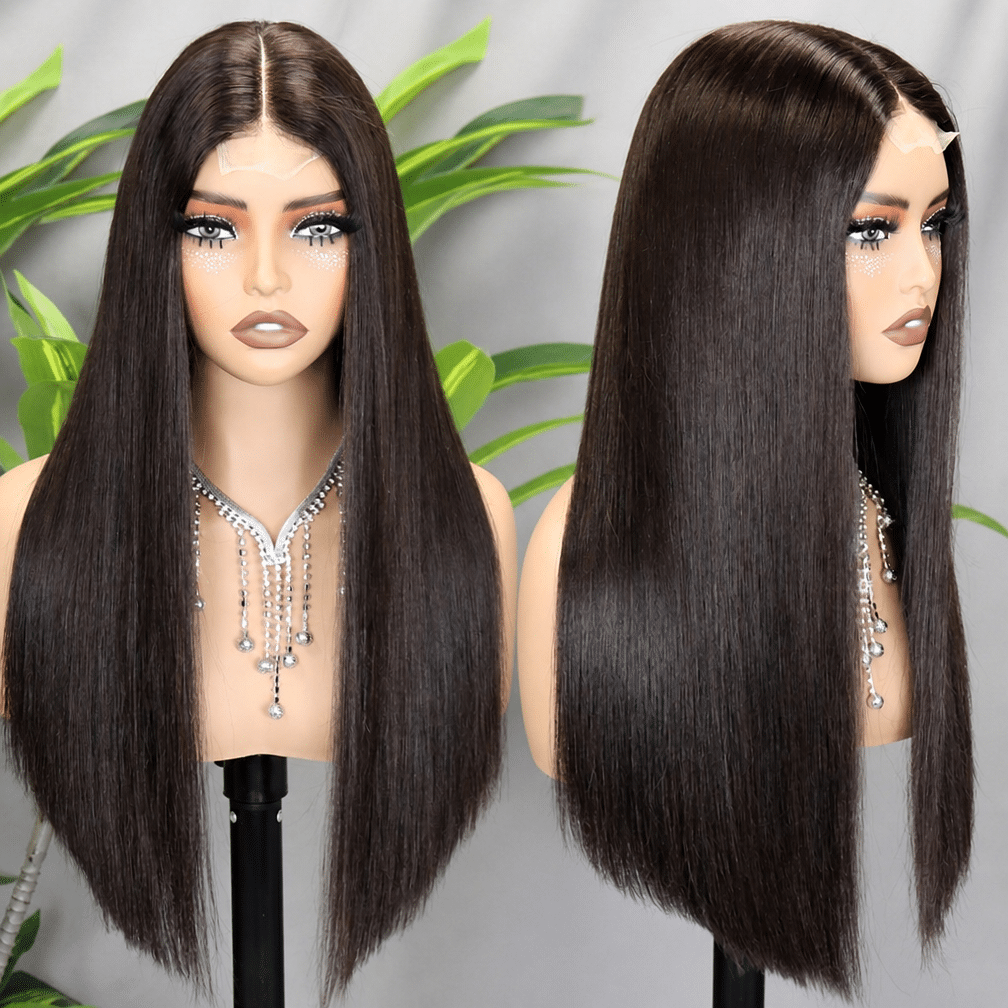
The best human hair vendors offer a wide variety of products to meet diverse customer needs, including different hair types (straight, body wave, deep wave, curly), lengths, colors, and styles. They also offer customization options, including OEM/ODM services, private labeling, and custom coloring or cutting—ideal for businesses looking to build a unique brand identity. Whether you need bulk hair wefts, clip-in extensions, closures, or full wigs, a reliable vendor should be able to accommodate your specific requirements.
4. Transparent Pricing and Fair Policies
Trustworthy vendors offer clear, competitive pricing without hidden fees. They will provide detailed pricing structures based on order volume, hair quality, and customization, allowing you to budget effectively. Additionally, they have fair return, exchange, and refund policies—critical for addressing issues like damaged products or incorrect orders. Avoid vendors with unusually low prices, as this is often a red flag for synthetic blends or low-quality hair.
5. Strong Customer Support and Reputation
Reliable human hair vendors prioritize customer service, with responsive support teams available via email, WhatsApp, or phone to answer questions and resolve issues promptly. They also have a proven track record of positive customer reviews and testimonials, both on their website and third-party platforms. Look for vendors with long-standing industry experience (10+ years) and a global customer base—this indicates stability and consistent quality.
Common Pitfalls to Avoid When Choosing Human Hair Vendors
With the growing number of human hair vendors, it’s easy to fall victim to scams or low-quality suppliers. Here are the most common pitfalls to avoid:
· Vendors that make unsubstantiated claims (e.g., “100% Remy hair” without proof) or use overly perfumed or silicone-coated hair to mask poor quality.
· Suppliers that refuse to provide samples, close-up videos, or details about their sourcing and processing methods.
· Vendors with no verifiable customer reviews, inconsistent product quality, or unresponsive customer support.
· Sellers who offer unrealistic prices or fail to disclose hidden fees, leading to unexpected costs.
Conclusion: Partnering for Long-Term Success
Choosing the right human hair vendor is a decision that impacts your business’s reputation, customer loyalty, and bottom line. By prioritizing transparency, quality, versatility, and strong customer support, you can find a partner that aligns with your goals and delivers consistent, high-quality products. In 2026, as the demand for human hair continues to grow, working with reputable vendors will set you apart in a competitive market—whether you’re a small salon or a large-scale retailer.
Remember, the best human hair vendors are not just suppliers—they are partners committed to helping you succeed. Take the time to research, test samples, and verify their credentials, and you’ll build a long-lasting relationship that benefits both your business and your customers.