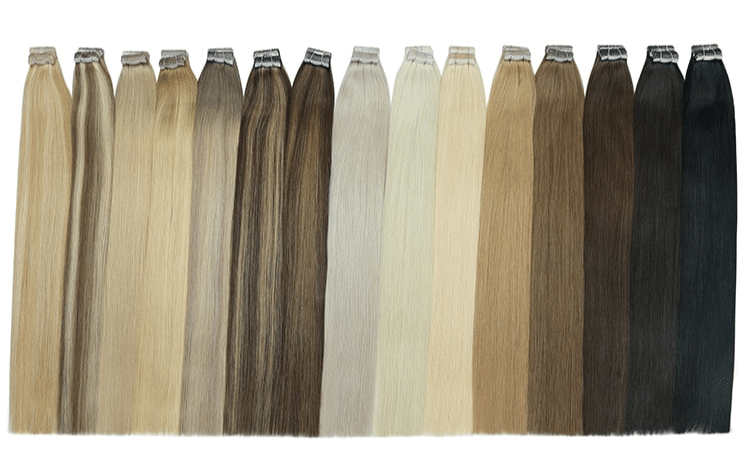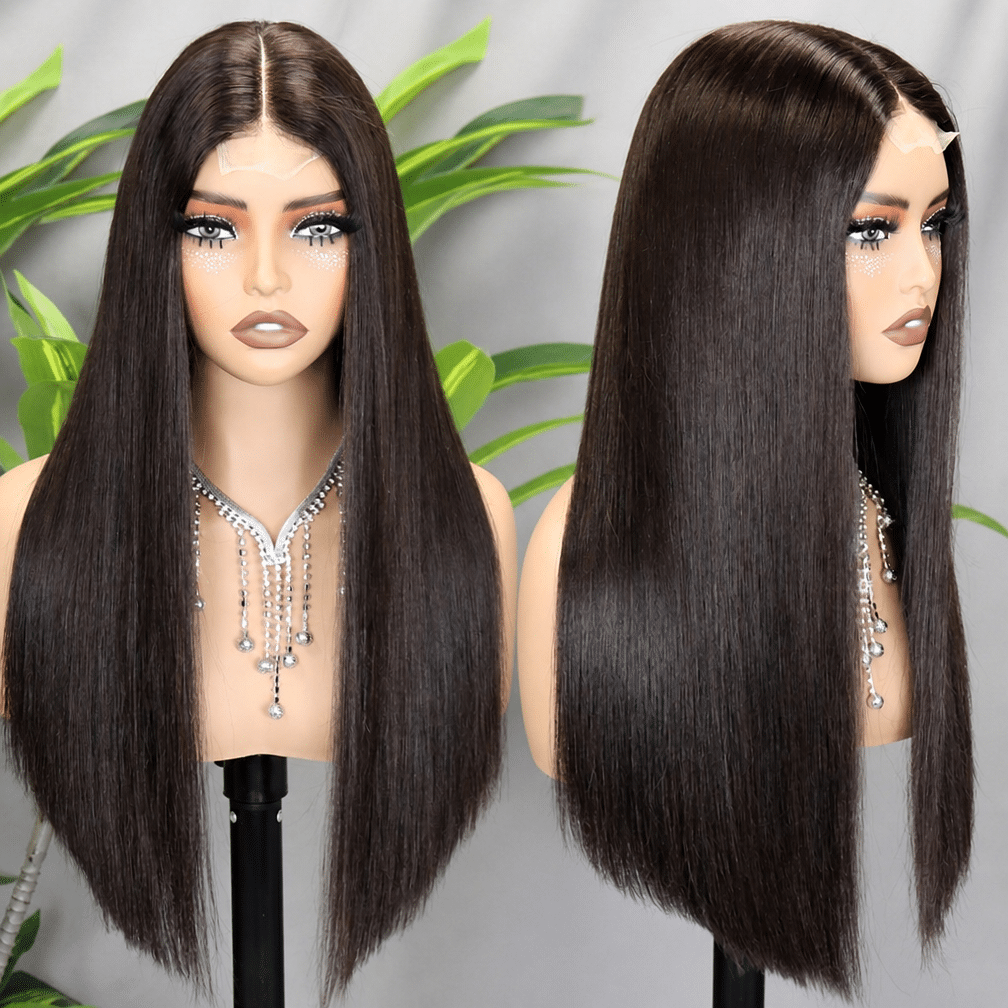
China is now the global leader in the human hair industry, accounting for over 70% of international exports of hair extensions and wigs. Chinese suppliers provide high-quality products to salons, brands, and distributors in North America, Europe, Africa, and other regions. For those looking for reliable, versatile, and affordable human hair, Chinese hair is considered the gold standard because of its quality, advanced manufacturing, ethical sourcing, and competitive prices. With global demand expected to reach $148.6 billion in China alone by 2026, it is important to know what makes Chinese human hair stand out, how to source it, and what to look for in a supplier to succeed in the beauty market.
Why Human Hair From China Dominates the Global Market
Chinese human hair is a top choice for buyers worldwide because of several key advantages that set it apart from hair from other regions. These benefits ensure consistent quality and give businesses the flexibility and value they need to succeed in a competitive market:
1. Unmatched Manufacturing Expertise and Scale
China’s human hair industry has decades of manufacturing experience, with skilled workers and advanced technology turning raw hair into high-quality products. Major manufacturing hubs in Shandong (Juancheng, Qingdao), Henan (Xuchang), and Guangdong (Guangzhou) form a network that lets suppliers manage every part of the supply chain, from sourcing to packaging. By 2026, Chinese manufacturers will be using AI visual sorting systems to increase efficiency by 320% and lower error rates to under 3%. They also use closed-loop microfluidic dyeing technology, reducing water use by 85% and improving dye utilization to 92%. This mix of traditional skills and modern technology ensures consistent quality, even for large orders.
2. Diverse and High-Quality Hair Options
Chinese human hair meets the diverse needs of global markets, offering a wide range of textures, lengths, colors, and styles. Suppliers in China get high-quality raw hair from trusted regions like India, Vietnam, and Eastern Europe, then process it into virgin hair (unprocessed), Remy hair (cuticle-aligned), and processed hair, all clearly labeled. Whether you want straight, wavy, curly extensions, clip-ins, closures, or custom wigs, Chinese suppliers provide a wide variety. The growing trend of ‘Guofeng’ (Chinese-style) hair products, which use traditional designs, is also popular and sells for about 30% more in global markets.
3. Ethical Sourcing and Transparent Practices
Leading Chinese human hair suppliers focus on ethical sourcing. They are shifting from scattered individual collections to regional, centralized sourcing, supported by government and business partnerships. This ensures hair is collected humanely and donors are paid fairly. Centralized sourcing also makes supply more stable, with on-time delivery rates of 96.4% and a 13.8% reduction in overall costs. By 2026, many suppliers will be using blockchain traceability systems to track hair sourcing, processing, and carbon footprint. This helps them meet global ESG (Environmental, Social, Governance) standards and allows them to charge 15-20% more for traceable products.
4. Competitive Pricing and Flexible Terms
A major advantage of Chinese human hair is its competitive pricing. This is possible because of large-scale production, efficient manufacturing, and affordable raw materials. Chinese suppliers have clear pricing based on order size, hair quality, and customization, with no hidden fees. Many also offer flexible minimum order quantities (MOQs), making them a good choice for both small businesses and large retailers. For example, Zhejiang suppliers offer low MOQs (from $500 to $1,500), which is great for e-commerce brands, while Guangdong suppliers focus on premium Remy hair and offer competitive wholesale prices for bulk orders.
5. Robust Export Infrastructure and Support
China has a strong export system, with major ports in Guangzhou and Qingdao, and efficient logistics that make shipping human hair products worldwide quick and reliable. Most top Chinese suppliers have international sales teams that speak English, Spanish, and other languages, and they offer support via email, WhatsApp, and phone for orders, customization, and after-sales support. In 2026, RCEP (Regional Comprehensive Economic Partnership) tariff preferences are also expected to lower raw material costs for Chinese suppliers by 3-5%, making their prices even more competitive.
Key Manufacturing Hubs for Human Hair From China
China’s human hair industry is concentrated in three core regions, each with unique strengths to cater to different China’s human hair industry is based in three main regions, each offering unique strengths to meet different buyer needs:r processing), Shandong suppliers are known for stable production capacity, consistent quality, and expertise in bulk wefts and keratin tip extensions.
- Henan Province: Dubbed the “Hair Capital of the World,” Xuchang in Henan is a leading hub for human hair sourcing and processing, contributing 20% of China’s human hair exports and specializing in a wide range of products from bundles to full wigs.
- Guangdong Province: Guangzhou, Dongguan, and Foshan are export-focused hubs, accounting for 45% of China’s national hair product exports. These suppliers excel in premium Remy hair, OEM/ODM services, and private labeling, and offer strong English-speaking support teams, ideal for international buyers.
How to Source High-Quality Human Hair From China in 2026
Sourcing human hair from China is simple if you follow these key steps to find a trustworthy supplier:
1. Verify Supplier Credentials
Look for suppliers with long-standing experience. Choose suppliers with over 10 years of experience, valid business licenses, and certifications such as ISO, BSCI, or Oeko-Tex, which demonstrate they follow strict quality and ethical standards. Leading Chinese suppliers such as Henan Rebecca Hair Products (founded in 1995, exporting to more than 20 countries) and Qingdao Fuan Hair Products (known for always delivering on time) have strong records of reliability
Trusted Chinese suppliers offer free or low-cost samples so you can check the hair’s softness, shine, strength, and cuticle alignment (which helps prevent tangling and shedding). Try heat-styling and coloring the hair to make sure it meets your standards before you place a large order.
3. Clarify Customization and Terms
Clearly explain what you need, including hair type, length, color, style, and any custom options (e.g., OEM/ODM or private labeling). Make sure the supplier provides a detailed contract that covers pricing, minimum order quantities, production time, shipping terms, and return or refund policies to avoid confusion.
4. Leverage Trade Data and Platforms
Use trade intelligence tools like Volza, which tracks over 3.5 billion import shipments, to check Chinese suppliers’ export records, buyer reviews, and shipping patterns. Platforms such as Sourcify China can also help you learn about the strengths of different regions, so you can find the best manufacturing hub for your needs.
Conclusion: Why Chinese Human Hair Is a Smart Investment in 2026
Chinese human hair offers quality, variety, ethical sourcing, and good prices, making it the top choice for buyers worldwide in 2026. With advanced manufacturing, a wide range of products, strong export systems, and a focus on ESG standards, Chinese suppliers are ready to meet the rising demand for high-quality hair. Whether you run a salon, an online store, or a growing brand, working with a trusted Chinese supplier gives you reliable, premium products that help keep your customers happy and support your business’s long-term success.
With the Chinese human hair market expected to reach $148.6 billion in 2026, now is a great time to get involved. By using China’s manufacturing skills and global supply chain, you can gain a strong advantage in the beauty industry.