Hair Extensions
Hair extensions are the perfect way to add length and volume to your hair. But have you ever wondered how these gorgeous products are made?
Fortunately, there are several factors that contribute to the industry’s success. These include technological advancements, sustainable production processes, and digital marketing strategies.
The key to ensuring high-quality, long-lasting, and silky hair extensions lies in choosing the right wholesale hair extension suppliers.
Technological Advancements
As consumer demands for sustainability and ethically-sourced hair extensions rise, more companies are adopting a variety of production practices to meet these requirements. These methods include utilizing recycled or renewable materials, creating sustainable packaging, and minimizing product waste. In addition, they are focusing on product innovation and developing new products for their customers. This approach enables them to gain a competitive edge and establish themselves as a leading name in the hair extensions market.
Hair extension manufacturers are addressing the need for higher-quality, natural-looking products by incorporating technological advances in their production processes. For example, some manufacturers are using scalp micro-pigmentation to create the appearance of a full head of hair without damaging it. Others are experimenting with laser technology to attach extensions, which eliminates the need for heat and chemicals. The industry is also embracing the use of augmented reality (AR) and virtual reality (VR) to give consumers a more immersive try-on experience.
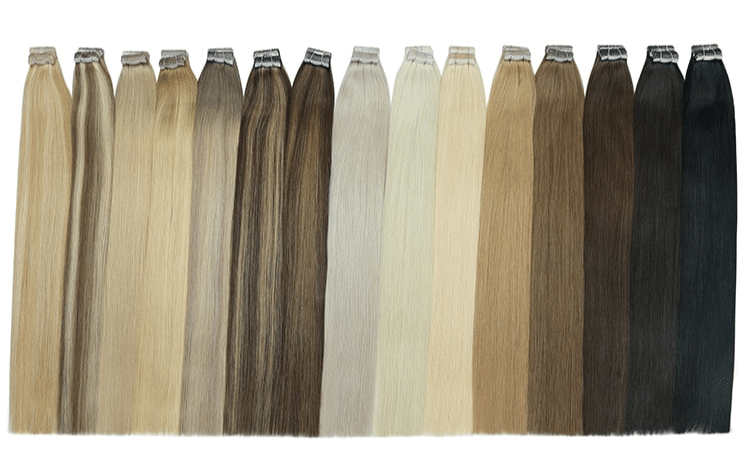
These technologies are helping to overcome adoption barriers by allowing consumers to see how their chosen hair color or style will look before making a purchase. They are also allowing consumers to experiment with different textures and lengths, as well as color combinations, to find the best match for their unique preferences.
A growing consumer inclination towards extensions that closely mirror a person’s natural appearance is driving significant growth in the industry. This trend is especially evident amongst women with curly, coily, or textured hair, who prefer to have their extensions blend seamlessly with their own locks.
Increasing disposable income levels are allowing more people to afford high-quality hair extensions. This trend is boosting the popularity of these products amongst consumers of all ages and backgrounds, as they provide an easy way to achieve a desired look. In addition, many of these extensions come with non-damaging attachment techniques that make them suitable for all hair types and styles.
As the demand for these products grows, it is crucial that hair extension companies keep up with market trends. This includes offering a wide range of styles and colors, as well as introducing innovative and sustainable production processes. In addition, they should offer personalized and tailored solutions for their customers to help them stand out from the competition and attract more business.
Sustainability
Hair extensions are an increasingly popular way to change one’s look without damaging natural hair. They are a great alternative to wigs, which can cause scalp irritation and tangling. However, the hair extension industry is not without its issues. Mislabeling, unethical practices, and a lack of transparency have raised concerns about the quality of these products. To address these problems, many hair extension suppliers are embracing sustainability. In addition to using renewable energy and ethical sourcing, they are also taking steps to reduce packaging waste and minimize their environmental impact.
Ethically sourced hair extensions are made from real human hair that has been collected in a way that respects the welfare of those who provided it. These products can include virgin hair, which has never been chemically treated, or remy hair, which has been carefully aligned to maintain the natural cuticle direction. These types of extensions are less likely to tangle and can last longer than non-remy hair extensions.
Sustainable hair extensions are also safer for the wearer, as they do not contain harsh chemicals that can cause damage to the scalp or roots of the natural hair. They are also made with a lower amount of plastic, so they can be recycled after use. Additionally, they do not release toxic fumes during application, as synthetic hair extensions often do.
A sustainable hair extension supplier should be transparent about the ingredients used in their products and provide detailed information about the sourcing, coloring, and shipping processes. They should also prioritize fair compensation for those who provide the hair and demonstrate their commitment to sustainability and ethical practices. This will help consumers make informed decisions about which products to purchase, encouraging ethical sourcing and transparency in the hair extension industry.
To further reduce their environmental footprint, a sustainable hair extension manufacturer should work with local suppliers and producers to create their product. This will cut down on transportation costs and minimize the carbon footprint of their product. In addition, they should use recycled packaging and minimize product waste by reducing the number of boxes used. They should also consider implementing energy-efficient production methods and reducing their use of water and power.
Personalized Solutions
Hair extensions have become the darlings of fashion enthusiasts, bridal stylists, and individuals experiencing hair loss or thinning, offering them a fresh canvas to express their style. As such, they have become a go-to for women of all ethnicities, as well as celebrities, enabling them to switch up their looks without much fuss. Whether you want to add volume, length or simply enhance your color, choosing the right supplier is paramount. There are several factors to consider, including: payment terms, return policies, and the quality of the hair. You also want to find a supplier who is ethically sourced and maintains high standards of quality and beauty.
Generally, hair extensions are made from either human or synthetic hair. Both types of extensions are suitable for different needs and can be crafted into various styles to fit the wearer’s preference. Human hair extensions are typically more expensive than synthetic ones. They can be coloured and treated like natural hair, which makes them more versatile than their synthetic counterparts. They also blend in better with natural hair.
Synthetic hair extensions, on the other hand, tend to be sensitive to heat and often lose their shine over time. They can be dyed, but only to a limited extent, and may have a shorter lifespan than their natural hair counterparts.
Private labeling allows you to design and create your own line of high-quality hair extensions. This is a great option for stylists and salon owners looking to build a brand that stands out from the competition. A private label will give you access to a wide variety of products, as well as technical and marketing support from the manufacturer.
The market for hair extension supplies is booming, thanks to the growing demand from consumers for longer and fuller locks. These extensions are a popular choice among black women, women of all ethnicities experiencing medical hair loss, and young adults who want to switch up their styles quickly. To tap into this lucrative market, it’s important to know your client base and the types of extensions that appeal to them. By collaborating with the right supplier, you can ensure your product will be a success.
Digital Marketing
Hair extensions have become an integral part of the beauty industry. Several factors contribute to the success of a hair extension business, including marketing strategies, brand identity, and supply chain management. However, these factors differ from one company to the next. The landscape of the industry is perpetually evolving, urging businesses to adopt fresh marketing tactics and connect with their audience effectively.
Successful hair extension companies build a connection with their customers by telling a unique story and providing a seamless, personalized experience. They also leverage social media platforms to reach a wider audience and showcase their products. In addition, they offer competitive pricing and exceptional customer service to attract new customers.
To establish a strong foothold in the market, newcomers to the hair extension business should conduct thorough research and analysis of the competition. This will help them understand their target customers and identify their strengths and weaknesses. They can then use this information to develop targeted marketing campaigns and deliver personalized experiences.
The first step in establishing a successful hair extension business is finding high-quality suppliers. To do so, they should research potential suppliers online and attend industry trade shows to expand their options. They should also set quality benchmarks and implement a system for inspecting the quality of their products. Additionally, they should keep inventory levels in line with customer demand and seasonal trends.
While some hair extension brands manufacture their own products, others rely on contract manufacturers to produce their products. This can be a more cost-effective solution for small businesses. However, it is important to find a manufacturer that has the right production capacity and manufacturing expertise. This will ensure that the company can maintain a consistent level of quality.
Once a hair extension company has found a reputable supplier, they can focus on building a relationship with them. This includes negotiating prices, discussing delivery schedules, and ensuring that the product meets quality standards. This will allow the company to provide its customers with a top-notch product that will elevate their appearance and confidence. Additionally, it will also enable them to scale their business quickly and efficiently.