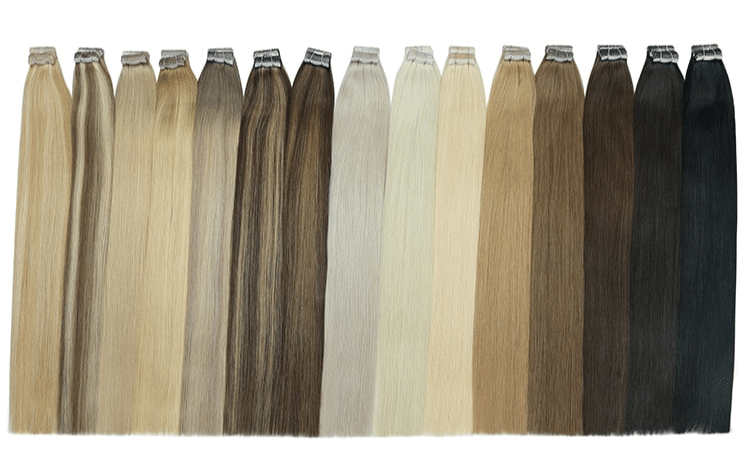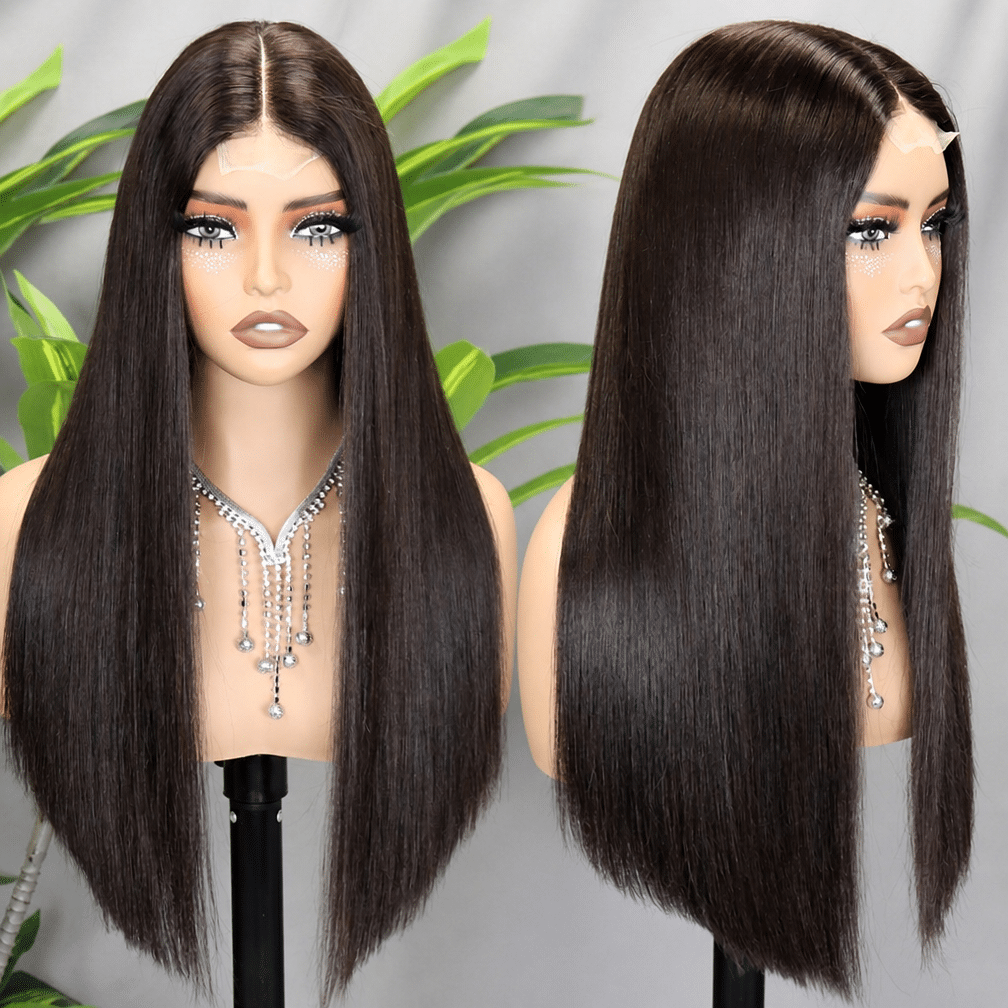
The allure of lustrous, flowing hair is universal, and for centuries, extensions have been a go-to solution for those seeking to enhance their natural hair. At the epicenter of this beauty enhancement industry are human hair factories, where the delicate craft of transforming raw hair into exquisite extensions takes place. This article offers an in-depth look at the operations, processes, and cultural significance of a human hair factory, highlighting its role in the global beauty market.
The Essence of Human Hair Extensions
Human hair extensions are valued for their natural appearance and durability. Unlike synthetic extensions, human hair can be styled, colored, and treated just like one’s own hair. This versatility makes them a preferred choice for many individuals looking to add length, volume, or a new style to their hair.
A typical human hair factory is a testament to the intricate processes involved in creating these extensions. From sourcing to the final product, each step is crucial and requires a high level of craftsmanship.
Sourcing the Raw Material
The first step in the production of human hair extensions is sourcing the raw material. Human hair is collected from donors, often in countries where it is a cultural practice to剪 (cut) hair for good luck or as part of religious rituals. Ethical sourcing is paramount, and reputable factories ensure that all hair is obtained with consent and in a manner that respects the donors.
Once collected, the hair is thoroughly cleaned to remove any impurities. It is then sorted according to length, color, and quality. The sorting process is meticulous, as it ensures that only the best hair is used for extensions that will be sold in the global market.
Processing and Manufacturing
The processed hair undergoes several steps to transform it into extensions:
- Wefting: The sorted hair is woven into wefts, which are strips of hair that have been sewn together at the top. This allows the extensions to be easily attached to the natural hair.
- Knotting: Individual strands of hair are knotted at the base to create small sections for clip-in extensions or to be attached to wig caps.
- ** Coloring and Perming**: To meet the diverse needs of customers, the hair may be colored or permed. This process requires skilled technicians who can apply dyes and chemicals without damaging the hair.
- Quality Control: Throughout the manufacturing process, rigorous quality checks are performed to ensure that each extension meets the highest standards.
- Packaging: After the extensions are processed, they are carefully packaged to protect their quality during shipping and storage.
The Art of Craftsmanship
The artisans who work in human hair factories are highly skilled, and their expertise is crucial to the quality of the final product. The manufacturing process is not just about following a set of steps; it’s an art form that requires attention to detail, precision, and a deep understanding of hair textures and characteristics.
Challenges and Opportunities
Operating a human hair factory comes with its own set of challenges and opportunities:
- Sustainability: The industry is increasingly focusing on sustainability, with consumers demanding ethically sourced and environmentally friendly products.
- Competition: The market is competitive, with many factories vying for market share. Innovation and quality are key differentiators.
- Technological Advancements: The adoption of new technologies can streamline production processes, improve product quality, and reduce costs.
- Global Reach: The demand for human hair extensions is global, providing opportunities for factories to expand their reach through international trade.
The Cultural Impact
The human hair extension industry is not just about business; it also has a significant cultural impact. It allows individuals to express themselves, experiment with their appearance, and embrace different cultural aesthetics. Moreover, it provides economic opportunities for hair donors and supports local economies in regions where hair donations are common.
Conclusion
A human hair factory is more than just a place of production; it is a hub of creativity, craftsmanship, and cultural significance. The meticulous processes involved in creating high-quality human hair extensions reflect the industry’s commitment to excellence and customer satisfaction. As the global demand for these extensions continues to grow, the role of human hair factories in meeting this demand, while adhering to ethical and sustainable practices, will become even more crucial.