Two buyers can order the same wig and still receive very different products. One may get soft hair, even density, and a clean hairline. The other may receive thin ends, rough lace, or a wig that does not match the sample.
Price is only part of the reason. Product specifications, quality standards, and the hair vendors in China behind the order can all affect what arrives.
China has a large hair manufacturing market, so buyers have plenty of suppliers to choose from. The challenge is knowing what to check before placing an order.
This guide covers how the market works, why product quality can differ between hair suppliers in China, and nine important things to check before you place an order.

How Big Is China’s Hair Market Right Now?
China’s hair wigs and extensions market hit $637.15 million in 2025. It’s expected to reach $1.22 billion by 2034, a 7.61% yearly growth rate, according to DeepMarketInsights.
That kind of growth brings more factories and trading companies into the market each year. More suppliers to choose from, sure, but quality varies a lot more too. So with more options out there, checking a supplier carefully before you order matters even more now.
Why Vendor Quality Varies So Much
Not every hair supplier delivers the same level of quality. Product listings usually give you the basic specifications. They may show the hair length, density, lace size, and color. But these details don’t tell you everything about the actual product.
Before choosing a hair supplier in China, take a closer look at:
- Hair texture, alignment, and shedding
- Lace thickness and appearance
- Knot size and placement
- Hairline density and finish
- Cap stitching and construction
- Overall finishing and styling
It also helps to agree on the specifications before production starts. Make sure both sides have the same details for hair type, length, density, lace, color, and construction.
Price is worth comparing, but don’t look at it on its own. A cheaper order can become expensive if the products arrive with quality problems.
9 Things to Check Before Ordering From Hair Vendors in China
The checklist below turns those hidden variables into questions you ask upfront, before a deposit changes hands.
1. Build a Clear Sourcing Specification
A supplier cannot quote accurately from a reference photo alone. Prepare one specification sheet and send the identical version to every vendor you compare.
Include:
- Lace or weft size should be listed, such as 13×4, 13×6, 5×5, or 360 lace.
- Hair type should state if the hair is Remy, virgin, raw, single donor, or processed.
- Texture should be specified as straight, body wave, deep wave, water wave, or kinky curly.
- Length, density, weight, and acceptable size differences should be agreed on before production.
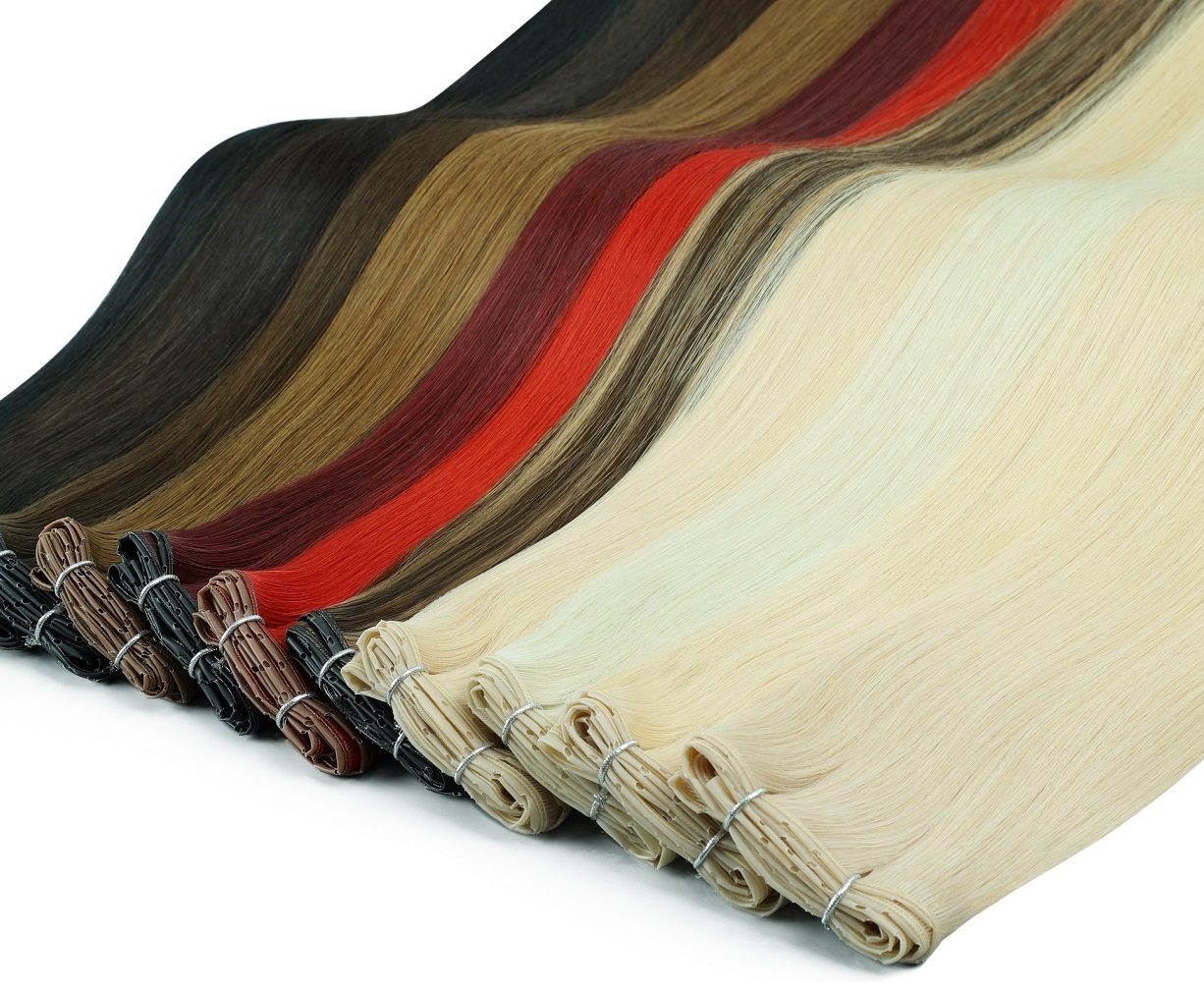
- An exact color code should be included instead of a general color name.
- Cap, lace, weft, hairline, and knot details should be clear for custom orders.
- Packaging should include labeling, quantities, and the planned shipping date.
Without this document, each factory can interpret the missing details differently. Once that happens, it becomes hard to compare their quotes fairly.
2. Understand the Hair Claim You’re Buying
Virgin hair is generally defined as hair that has not been colored, bleached, relaxed or chemically processed before it is assembled into a product. Some vendors may define the term differently so it is a good idea to inquire about the hair before you order.
Remy hair has the cuticles facing in the same direction. This can help reduce tangling. However, Remy hair can still be dyed or steamed before sale, so the label alone does not tell you everything about its quality.
Before ordering from a hair vendor in China, ask:
- Has the hair been chemically treated, acid treated, or coated with silicone?
- Are the cuticles aligned?
- Is the hair from one donor or several donors?
- Are the ends full enough for the stated length?
- What tests are used to check washing, combing, and heat styling?
3. Know What Density Percentages Mean
Density describes how full the hair looks on the cap, but the percentage is not a fixed measurement across factories. Each supplier should explain what their number means and confirm the finished weight in grams.
As a rough guide:
- 150% density gives a lighter, natural look that suits easier styling
- 180% density is a common fuller option for lace front and closure wigs
- 200% density looks the most dramatic, but costs more and can feel heavier
Density should always be checked alongside length and texture. A long, heavily textured wig at 200% carries far more weight than a short straight one at the same percentage.
4. Verify the Business Is Real Before You Pay
A well-built website does not prove a company exists. Scammers copy product photos and launch a convincing page in a single day.
Before sending money, check:
- The 18-digit Unified Social Credit Code against China’s public credit registry
- Whether the registered business scope includes hair or wig manufacturing
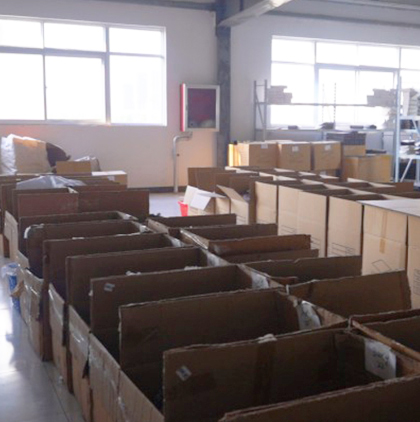
- A live video walkthrough of the factory floor, not a pre-recorded clip
- The company name across Alibaba, Made-in-China, and a plain Google search for mismatched details
Payment details need the same level of scrutiny. The FBI reported $2.7 billion in losses from Business Email Compromise in 2024. A lot of these scams work by tricking someone into sending money to the wrong account.
Before you pay anything, confirm the bank details through a separate channel, not just the same email thread. And if a supplier suddenly changes their account info or won’t get on a quick verification call, stop right there and double check everything.
That alone gives you a much stronger check than just trusting a website, some product photos, or a price that looks too good.
5. Put the Specification and Terms in Writing
A verbal agreement means nothing once a dispute starts. Attach your specification sheet to the order confirmation and get written agreement on:
- The tolerance range for length, weight, and color
- What happens if the finished batch does not match the approved sample
- The replacement or refund policy for confirmed defects
This document becomes your reference if something arrives wrong. Without it, a supplier can simply deny the mismatch ever happened.
6. Structure Your Payment So You Are Not Fully Exposed
How you pay matters as much as who you pay. Reduce your exposure by:
- Splitting payment into a deposit and a balance due before shipment
- Paying the registered company account, never a personal bank account
- Using a platform with built-in trade assurance for a new supplier
- Keeping every invoice tied to the same company name as the license
7. Add a Quality Checkpoint Before Shipment
Approving a sample does not guarantee the bulk order matches it. Some factories ship a flawless sample, then switch to cheaper material once mass production starts.
Build in a checkpoint before the goods leave China:
- Request production photos or a short video partway through the run
- Hire a third-party inspector, such as SGS or Bureau Veritas, for a pre-shipment check
- Compare a random unit from the batch against your original approved sample
- Hold the final payment until the inspection report clears
8. Compare Landed Cost, Not Just Unit Price
The lowest wig price is rarely the lowest total cost. Work out the full landed cost before deciding a quote is cheaper:
Landed cost = product cost + packaging + inspection + China transportation + international freight + duties + customs clearance + final delivery.
Ask every supplier to state exactly what their quote includes and excludes, and to confirm the trade term behind it. A lower number can still hide a shorter usable length, thinner packaging, or a different delivery assumption than the quote you’re comparing it to.
Packaging also carries its own minimum order, separate from the wig minimum. A factory might accept a small wig order but require a much larger quantity for custom boxes, printed bags, or barcode stickers. Always ask for both minimums before you commit.
9. Know Who Owns the Shipment at Each Stage
Freight terms decide who carries the risk of loss or damage in transit.
| Term | What It Means | Best For |
| EXW | Buyer handles pickup, export paperwork, and full freight | Experienced buyers with their own forwarder |
| FOB | Supplier delivers to the port; buyer arranges shipping from there | Most first-time and mid-size buyers |
| CIF | Supplier arranges freight and basic insurance to your port | Buyers who want fewer logistics steps |
Ask which term a quote is based on before comparing prices. A lower unit price under EXW can end up costing more once freight and paperwork get added.

FH Hair China: What This Looks Like From a Verified Supplier
Fantasy Hair China offers wholesale hair products along with OEM and ODM services for buyers who need custom orders. Its product range gives buyers several options, from finished wigs to individual hair pieces and extensions.
Its catalog covers several product lines, so buyers can apply the same nine-point checklist to a single order:
A list of some of the main products:
- Human hair wigs are available in ready stock and custom options. Custom orders can be made to specific requirements for length, density, lace, color, and construction.
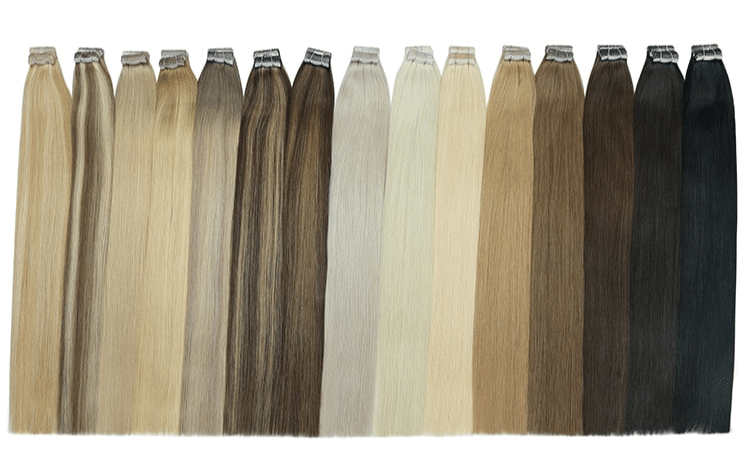
- Human hair extensions include tape in, weft, clip in, and nano ring styles. Buyers can choose the type that fits their salon or retail business.
- Frontal and closure pieces come in HD and transparent lace options. These pieces are used to create natural looking hairlines and complete wig installations.
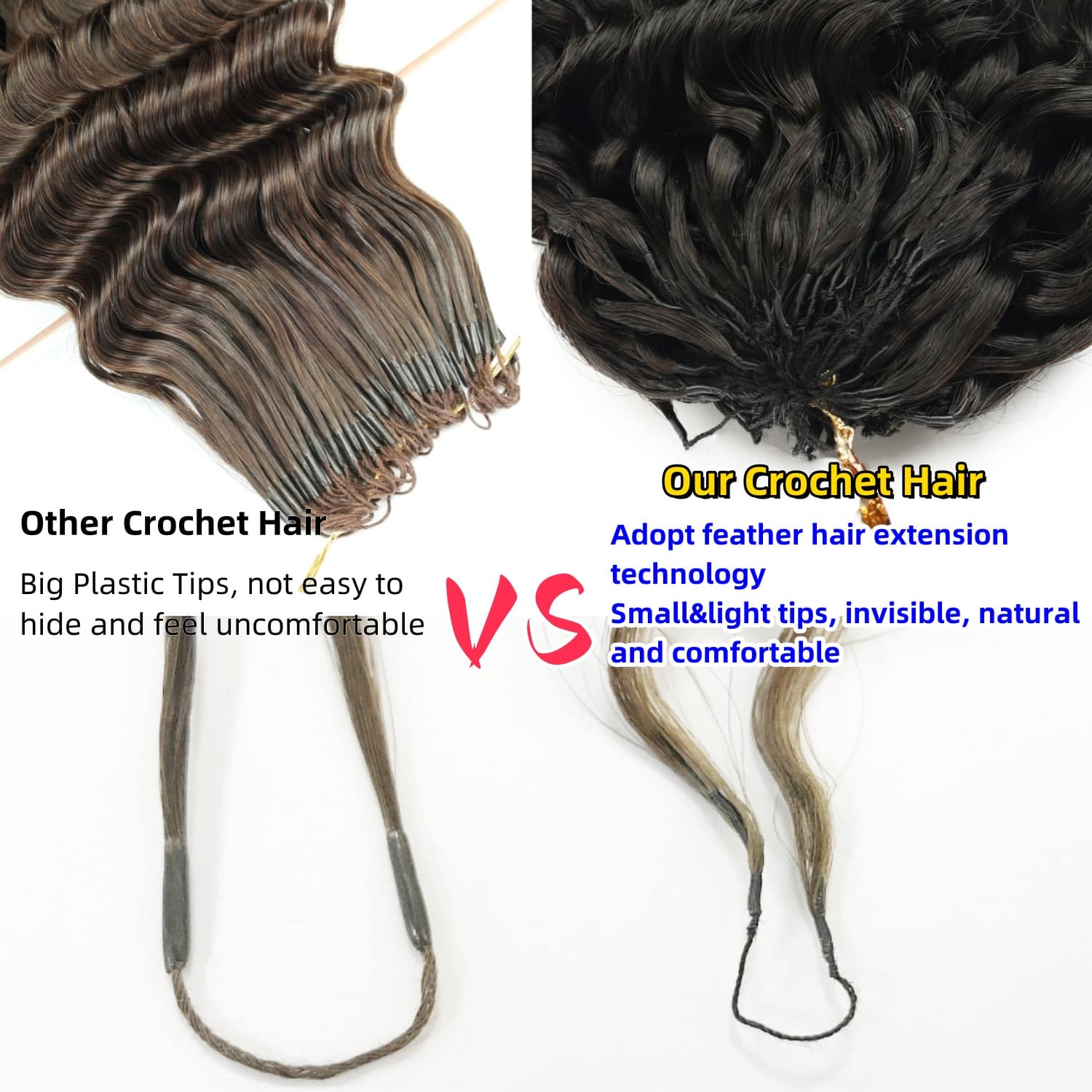
- Feather crochet hair is made for crochet hairstyles and other protective styles.
Before ordering, ask for samples and confirm the exact product details. Check the supplier’s terms and make sure the final order matches the approved sample and specifications.
FAQs
How do I know if a hair vendor in China is legitimate?
Check the business license, company details, and ask for a live factory tour.
What’s the difference between virgin and Remy hair?
Virgin hair has not been chemically processed. Remy hair has aligned cuticles, which helps reduce tangling.
Should I hire a third party inspector?
It is worth considering for a large first order. An inspection can catch problems before shipping.
What documents should I get before paying?
Ask for the business license, product specifications, and defect or replacement policy.
Order With a Checklist, Not a Gut Feeling
Treat sourcing hair from China as a process, not a one-time buy, and it goes a lot smoother. Start by writing out the exact spec you want, hair type, length, density, all of it. Then verify the supplier exists before sending money anywhere.
Put every agreed term in writing so there’s nothing to argue about later. Structure the payment so you’re not sending it all upfront. And before you sign off on any quote, run the real landed cost, not just the unit price, to see what you’re paying.
Reach out to FH Hair China for a written specification sheet and sample pricing before you place your next order.
Meta Title: Hair Vendors in China: A Buyer’s Checklist
Meta Description: A simple guide to checking hair vendors in China before you place an order, covering quality, contracts, payments, and supplier checks.