As protective hairstyles gain worldwide popularity across North America, Europe, Africa, and the Middle East, demand for reliable, high-quality crochet hair manufacturers continues to rise year by year. A professional crochet hair factory acts as the core link connecting raw hair materials, standardized production, and global salon owners, brand retailers, and bulk distributors. This article covers core factory advantages, production workflow, product categories, quality control standards, wholesale cooperation benefits, and customization support, helping global buyers understand how to source stable crochet hair directly from a professional manufacturer.
1. Core Advantages of Cooperating with a Professional Crochet Hair Factory
Many small retailers and salon owners previously purchased crochet hair from middlemen or local wholesale markets, resulting in unstable pricing, inconsistent texture, and delayed delivery. Sourcing directly from a crochet hair factory eliminates intermediate markups and brings multiple long-term benefits for business operators.
First, factory-direct pricing maximizes profit margins. Factories own complete raw material procurement channels and independent production workshops, without extra fees from resellers. For bulk orders of human crochet hair, pre-looped braids, or synthetic kinky twists, buyers can get transparent unit prices based on order quantity, length, and material grade. Large-volume orders enjoy extra tiered discounts that small distributors cannot offer.
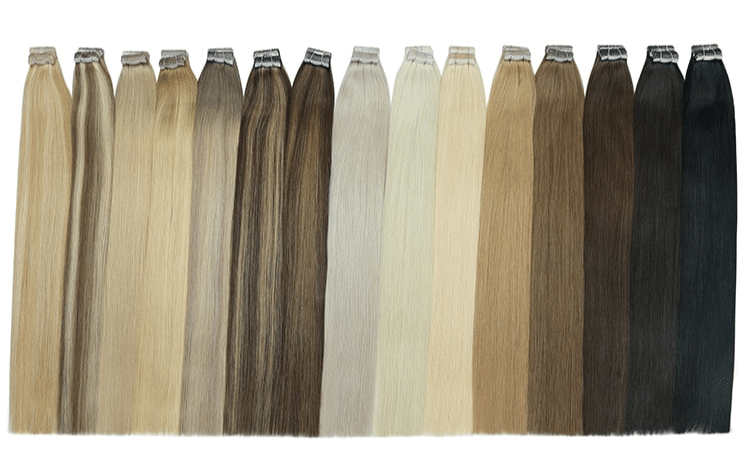
Second, full product diversification meets all market demands. A mature crochet hair factory develops dozens of mainstream styles to match local beauty preferences, covering human virgin crochet hair, Remy human crochet hair, Kanekalon synthetic crochet hair, Toyokalon fiber braids, pre-looped crochet hair, crochet locs, spring twists, passion twists, and box braids. Length options range from 8 inches to 30 inches, with natural black, dark brown, ombre, highlight, and vivid fashion color series in stock. Factories also adjust hair thickness, curl tightness, and loop size to align with regional market trends.
Third, flexible customization and private label support help buyers build exclusive brands. Professional crochet hair factories accept custom packaging, custom hair tags, custom bag printing, and personalized color matching. Whether clients need small batch trial orders or mass OEM orders, adjustable minimum order quantities support new brand startups and mature chain salons alike. Unlike middle suppliers, which sell only ready-made stock, factories can adjust textures, weights, and packaging to fit brand positioning.
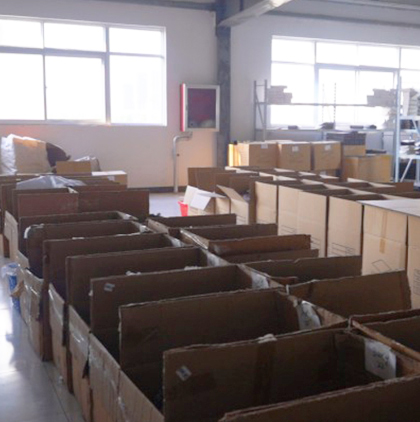
Fourth, a stable supply chain and punctual shipment guarantee continuous business operation. Standardized crochet hair factories maintain a large inventory of raw materials and operate independent production lines for different product lines. During peak beauty seasons, such as summer vacation and holiday shopping, dedicated production shifts help avoid stockouts and delivery delays. Complete export documents, including inspection reports, disinfection certificates, and packing lists, simplify customs clearance for cross-border shipments.
2. Standard Production Workflow Inside a Crochet Hair Factory
High-quality crochet hair relies on standardized, multi-step manufacturing processes with strict manual and machine collaboration. The full production line of a crochet hair factory includes raw material screening, cleaning and disinfection, texture molding, looping processing, sorting, quality inspection, and finished product packaging.
Step one: Raw material grading and screening. For human crochet hair, workers select intact cuticle-aligned virgin hair, removing broken strands, mixed gray hair, and damaged pieces. Synthetic fiber raw materials are tested for softness, heat resistance, and color fastness before mass production. All raw materials are categorized by length, thickness, and origin to avoid mixed texture problems in finished products.
Step two: Deep cleaning and sterilization. All raw hair undergoes multiple washing cycles with mild neutral cleaning agents to remove dust, grease, and impurities. A professional disinfection process follows to eliminate bacteria, meeting international beauty product safety standards. This step prevents scalp irritation after crochet hair installation, a key selling point for salon end customers.
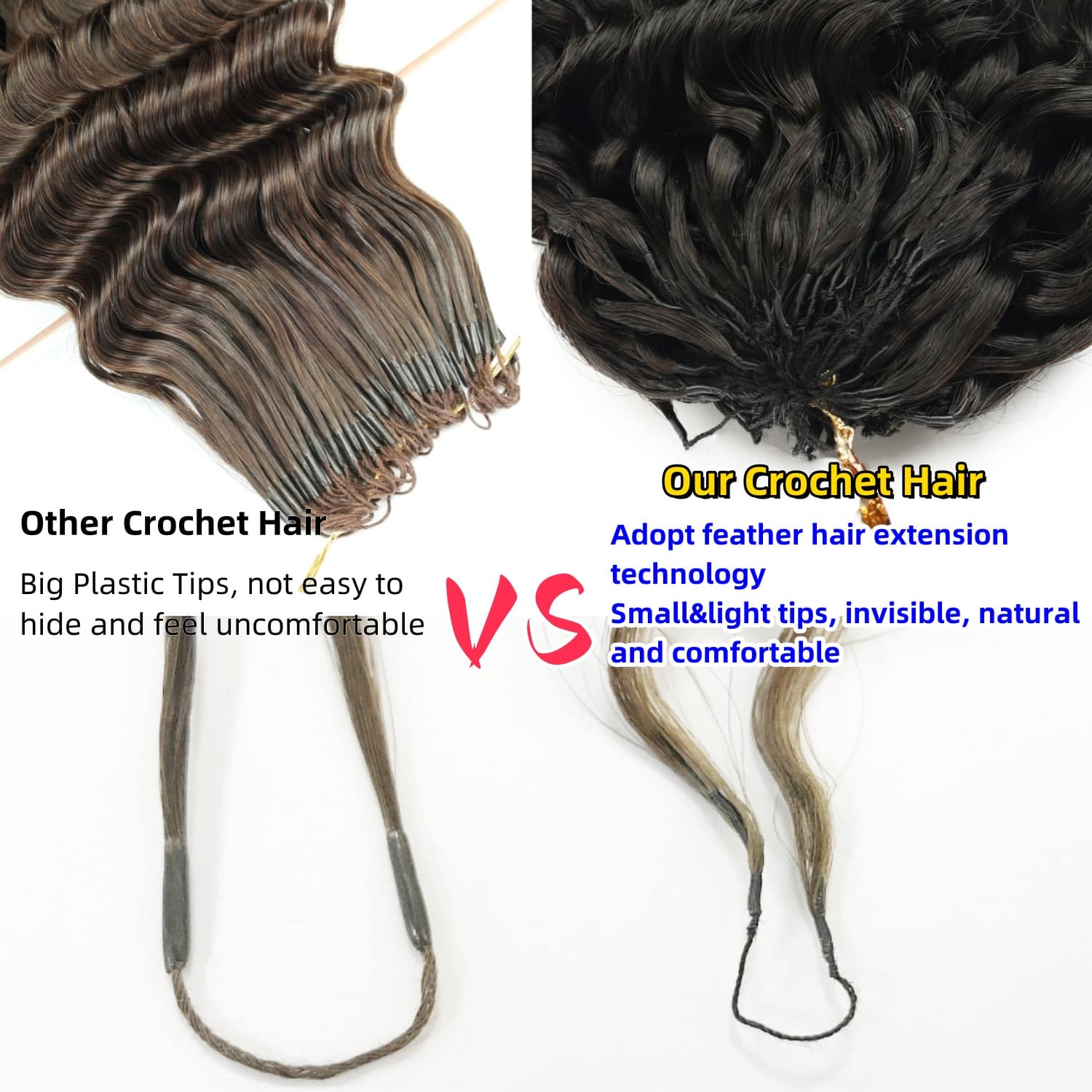
Step three: Texture forming and styling. Workers use temperature-controlled molding machines to create kinky, curly, wavy, or straight textures as specified by design requirements. Human hair crochet products receive gentle perm treatment while synthetic fibers are heat-set to lock long-lasting curls that do not frizz easily after washing. Pre-looped crochet hair passes through dedicated looping stations, where skilled workers create uniform, durable loops to speed up salon installation.
Step four: Manual sorting and secondary trimming. Every bundle is checked manually to trim uneven ends, adjust strand density, and remove loose flyaways. This manual sorting stage is critical to ensure every bundle has a consistent weight and uniform appearance, avoiding uneven volume issues that trouble salon stylists.
Step five: Multi-layer quality control and packaging. Before packaging, QC teams conduct spot checks on color matching, tensile strength, loop firmness, and weight accuracy. Qualified crochet hair bundles are sorted into transparent or custom-printed packaging bags, with clear labels indicating length, texture, color,, and weight for easy retail display.
3. Two Main Product Lines from Crochet Hair Factory: Human Hair vs Synthetic Crochet Hair
Professional crochet hair factories maintain two core product lines to serve both high-end and cost-effective market segments, catering to customers with different budgets and usage needs.
Human crochet hair targets premium salons and high-end beauty brands. Virgin and Remy human crochet hair retains the full hair cuticle, delivering natural shine, a soft touch, and reusable performance. Clients can curl, straighten, and dye human crochet hair as they please to create diverse protective styles. It lasts 3–6 months with proper maintenance, attracting customers willing to invest in long-term hairstyle solutions. Common styles include human crochet locs, human spring twists, and bulk human crochet braids without pre-loops.
Synthetic crochet hair focuses on budget-friendly, ready-to-wear styles for mass retail. Made from lightweight Kanekalon and Toyokalon fibers, synthetic crochet hair features pre-set curls and rich fashion colors at affordable wholesale prices. It requires zero heat styling and suits short-term seasonal hairstyle changes. Pre-looped synthetic crochet hair remains the best-selling item for global beauty supply stores due to fast installation and low retail price points.
4. Strict Factory Quality Control Standards for Global Export
Reputable crochet hair factories implement full-process quality management to meet North American, European, and African import standards. Three core inspection links guarantee stable product quality for long-term wholesale cooperation.
Raw material inspection verifies fiber safety, cuticle integrity, and color fastness to ban harmful chemical additives that cause scalp allergies. Semi-finished product inspection checks curl consistency, loop durability, and bundle weight error control within an acceptable range. Finished product random sampling simulates long-term wear conditions, testing anti-frizz performance and color fading after repeated washing.
All exported crochet hair products can provide complete test reports covering disinfection records, pH value testing, and heavy metal detection, helping distributors pass local customs and market supervision smoothly. Factories reject defective batches directly rather than selling flawed products to buyers, reducing after-sales return risks for global partners.
5. How to Start Wholesale Cooperation with a Crochet Hair Factory
Global salon owners, beauty store retailers, and cross-border brand sellers can launch stable cooperation with a professional crochet hair factory through simple standardized procedures. First, clients submit demand details including target product types, required lengths, color ranges, order volume, and customization needs. The factory sales team provides detailed quotation sheets, free sample support, and production lead time schedules.
After sample confirmation and deposit payment, the factory assigns dedicated production lines to process orders in accordance with customized requirements. During production, clients can request real-time production photos for progress tracking. Once finished goods pass the final QC inspection, full payment triggers packaging and shipment, with flexible logistics options, including sea freight, air freight, and express delivery for urgent small orders.
Long-term cooperative partners enjoy additional privileges, including priority production scheduling, new-product sample previews,, and exclusive customized design support. The factory maintains after-sales service to solve texture, packaging, or delivery issues rapidly, building stable win-win partnerships across global beauty markets.
Conclusion
As the global protective hairstyle market continues expanding, sourcing from a professional crochet hair factory becomes the most cost-effective choice for beauty industry operators. With integrated raw material management, standardized production, strict quality control, rich product lines and flexible OEM private label services, a reliable crochet hair factory supports partners to expand market share and build competitive beauty brands worldwide. Whether buyers need small trial wholesale orders or large-scale export bulk supplies, factory direct cooperation delivers stable quality, transparent pricing and comprehensive customization solutions for sustainable business growth.