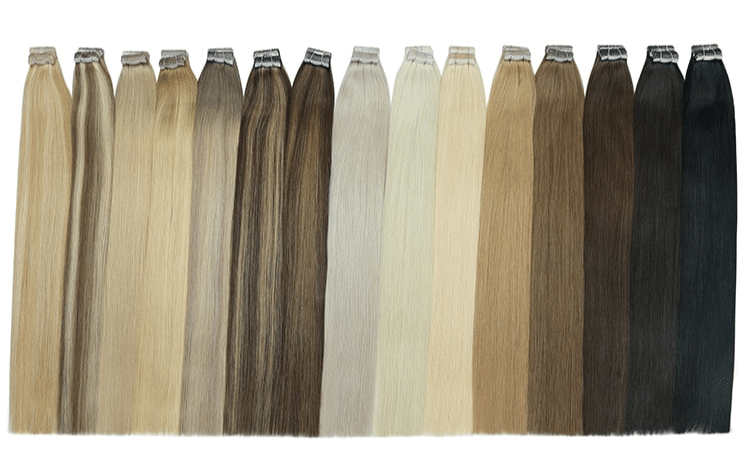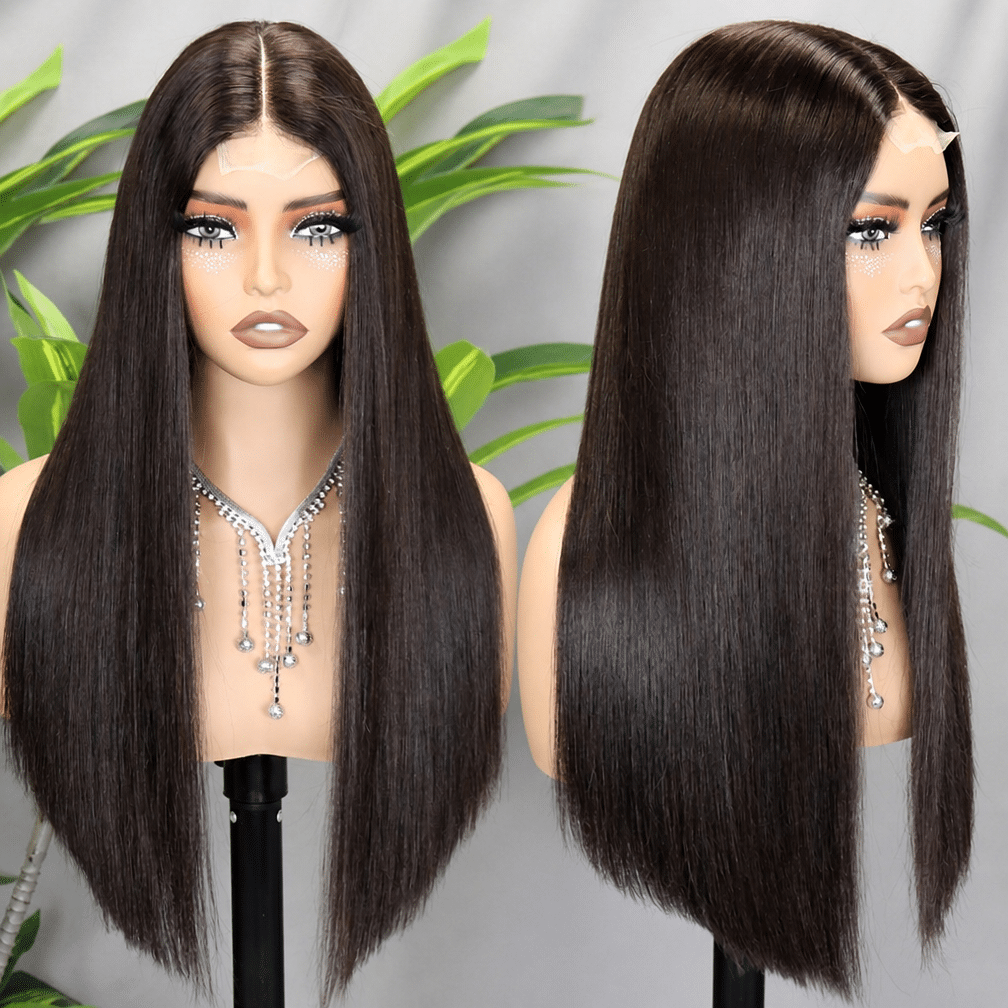
The global human hair industry has experienced explosive growth, driven by increasing demand for wigs, extensions, and hairpieces across North America, Europe, Africa, and emerging markets. At the heart of this multi-billion dollar supply chain lies China—the world’s largest processor and exporter of human hair products. For B2B buyers, e-commerce retailers, and salon owners, understanding how to identify and partner with reliable China human hair vendors is essential for business success.
This comprehensive guide explores the landscape of Chinese human hair suppliers, key sourcing hubs, quality evaluation criteria, and strategies for building sustainable partnerships.
Why Source Human Hair from China?
China has established itself as the dominant force in the global human hair trade, accounting for an estimated 60-70% of the world’s processed human hair exports. The country’s advantages extend beyond mere production volume:
- Vertically Integrated Supply Chains: Chinese manufacturers control the entire production process—from raw hair import and sorting to dyeing, styling, and packaging—reducing lead times and costs.
- Cost-Effective Labor: Skilled artisans in specialized regions enable competitive pricing without compromising craftsmanship.
- Export Infrastructure: Established logistics networks and proximity to major ports facilitate efficient worldwide shipping.
- Regulatory Framework: China has implemented national standards like GB/T 41637—2022 for hair products, ensuring quality and safety compliance for international markets.
China’s Major Human Hair Manufacturing Hubs
China’s human hair industry is concentrated in three primary regions, each offering distinct advantages:
Xuchang, Henan Province: The “Capital of Human Hair”
Xuchang stands as the undisputed epicenter of the global human hair trade. The city is home to over 3,000 hair-related enterprises and supplies approximately 60-70% of the world’s processed human hair. Key characteristics include:
- Deep-rooted networks for raw hair collection from donors across Asia
- Advanced technical capabilities including R&D labs for color formulation and heat-resistant treatments
- Strong OEM/ODM flexibility for private-label development
Qingdao, Shandong Province: Premium Processing Hub
Qingdao has evolved into a center for premium hair processing, focusing on high-end Remy, virgin, and double-drawn products. Manufacturers here emphasize:
- Cuticle alignment and minimal chemical exposure
- Advanced packaging technologies
- Keratin treatment chambers and digital color-matching labs
Guangzhou, Guangdong Province: Commercial and Export Gateway
Guangzhou serves as a logistical nexus, benefiting from proximity to major ports and access to raw hair sourced from India, Vietnam, and Cambodia. The region specializes in:
- Braiding hair and mass-market extensions
- Scalable solutions for mid-tier retailers
- Fast turnaround for e-commerce brands
Understanding Human Hair Quality Grades
Not all human hair is created equal. Professional buyers should understand the following quality classifications:
| Grade | Description | Key Characteristics | Typical Applications |
|---|---|---|---|
| Virgin Remy | Highest quality; hair from a single donor with cuticles intact and aligned | Minimal tangling, long lifespan (12-24 months), natural luster | Luxury wigs, premium extensions |
| Remy | Cuticles aligned but may have minor processing | Good durability, reduced matting | Mid-to-premium wigs and weaves |
| Non-Remy | Cuticles may be stripped or chemically treated | Lower cost, requires more maintenance | Budget-friendly extensions, braiding hair |
| Synthetic Blends | Mixed human and synthetic fibers | Affordable, consistent texture | Mass-market fashion wigs |
Virgin Remy hair is considered the gold standard, with cuticles intact and aligned in the same direction to minimize friction and prevent matting.
Key Criteria for Evaluating China Human Hair Vendors
Selecting the right vendor requires comprehensive due diligence beyond price comparisons.
1. Verify Credentials and Certifications
Professional suppliers should provide verifiable documentation:
- ISO 9001 (quality management systems)
- ISO 22716/GMP for cosmetic-grade products
- BSCI or SMETA audits for ethical labor practices
- NMPA filing for products entering the Chinese market
2. Assess Operational Capacity
Quantifiable indicators of reliability include:
| Metric | Benchmark |
|---|---|
| Years in operation | 5+ years |
| Factory area | 1,000+ m² |
| Workforce | 50+ employees |
| On-time delivery rate | 95%+ |
| Reorder rate | 20%+ |
Suppliers like Guangzhou Gediya Hair Products Co., Ltd. operate 8,000+ m² facilities, demonstrating capacity for bulk orders and fast turnaround.
3. Evaluate Quality Control Processes
Request documentation of testing protocols:
- Tensile strength analysis
- pH balance checks (acceptable range: 4.5–5.5)
- Colorfastness under UV exposure
- Cuticle alignment microscopy (≥95% uniform root-to-tip direction)
4. Request and Test Samples
Always order physical samples before committing to bulk purchases. Conduct simple tests:
Water Slide Test: Submerge strands in room-temperature water for 60 seconds. Genuine Remy hair sinks uniformly; damaged hair floats or tangles.
Burn Test: Human hair emits white smoke and a protein odor when burned; synthetic fibers produce black smoke and a plastic smell.
Comparative Analysis: Leading China Human Hair Vendors
Based on verified transaction data and performance metrics, here is a comparison of established suppliers:
Qingdao Find Virgin Hair Product Co., Ltd. leads in revenue generation with $1.1M+ annually and an impressive 46% reorder rate, indicating strong customer satisfaction and product consistency.
Pricing Benchmarks and Value Considerations
Wholesale prices vary based on hair grade, origin, processing method, and order volume. Current market data indicates the following ranges:
| Hair Grade | Processing Level | FOB Price per kg (USD) | Typical MOQ |
|---|---|---|---|
| Virgin, Double Drawn | Cleaned & Sorted | $120–$160 | 100kg+ |
| Single Drawn, Remy | Washed & Tangle-Free | $80–$110 | 25–50kg |
| Custom Dyed/Curled | Finished Packets | $140–$200 | 10–20kg |
Value-Based Sourcing Tip: Paying $30 more per kilogram for premium virgin hair often results in fewer returns, stronger brand loyalty, and lower total cost of ownership compared to budget alternatives.
Customization and Private Label Services
Top-tier Chinese vendors offer comprehensive OEM/ODM services:
- Logo embossing on packaging or weft labels
- Bespoke curl patterns using thermal molding
- Custom color formulations (ombre, highlights, solid dyes)
- Glueless wig caps with lace front or 360-degree closures
- Dropshipping services for e-commerce retailers
Navigating Logistics and Compliance
Shipping Considerations
Most experienced exporters offer flexible Incoterms:
- FOB (Free on Board): Factory delivers to departure port
- CIF (Cost, Insurance, Freight): Supplier covers shipping to destination port
- DDP (Delivered Duty Paid): Complete door-to-door service including customs clearance
Delivery to North America, Europe, and Africa typically takes 7–15 business days via air freight. Air freight is recommended for first orders to avoid moisture-related damage from sea containers.
Regulatory Compliance for Exporters
The Chinese national standard GB/T 41637—2022 establishes requirements for:
- pH value, odor, and colorfastness
- Extractable heavy metals and prohibited flame retardants
- Microbial indicators and pathogenic bacteria limits
Red Flags to Avoid
When evaluating China human hair vendors, watch for these warning signs:
- Vague or missing certifications – Legitimate suppliers provide verifiable documentation
- Unusually low prices – Often indicate synthetic blends or substandard processing
- No verifiable factory address – Reputable manufacturers welcome visits
- Refusal to provide samples – Quality suppliers offer sample programs
- Poor communication – Delayed responses often signal operational issues
Building Long-Term Partnerships
The most successful buyers treat supplier relationships as strategic partnerships. Consider these practices:
- Start with trial orders – Begin with smaller quantities to verify consistency
- Conduct regular audits – Schedule virtual or in-person facility inspections
- Establish clear specifications – Document quality standards in formal agreements
- Maintain open communication – Build relationships with dedicated account managers
- Plan for scalability – Discuss capacity planning for seasonal demand fluctuations
Conclusion
China remains the world’s premier destination for sourcing high-quality human hair products. The combination of specialized manufacturing hubs, advanced processing capabilities, competitive pricing, and established export infrastructure creates unmatched value for international buyers.
Success in sourcing from China human hair vendors depends on thorough due diligence, quality verification, and strategic relationship building. Prioritize suppliers with verifiable certifications, proven operational metrics, transparent communication, and demonstrated commitment to quality control.
Whether you’re launching a wig line, expanding an e-commerce hair business, or scaling distribution channels, the right Chinese manufacturing partner can provide the foundation for sustainable growth. Start with samples, validate through testing, and scale with partners who demonstrate consistency, transparency, and shared commitment to excellence.