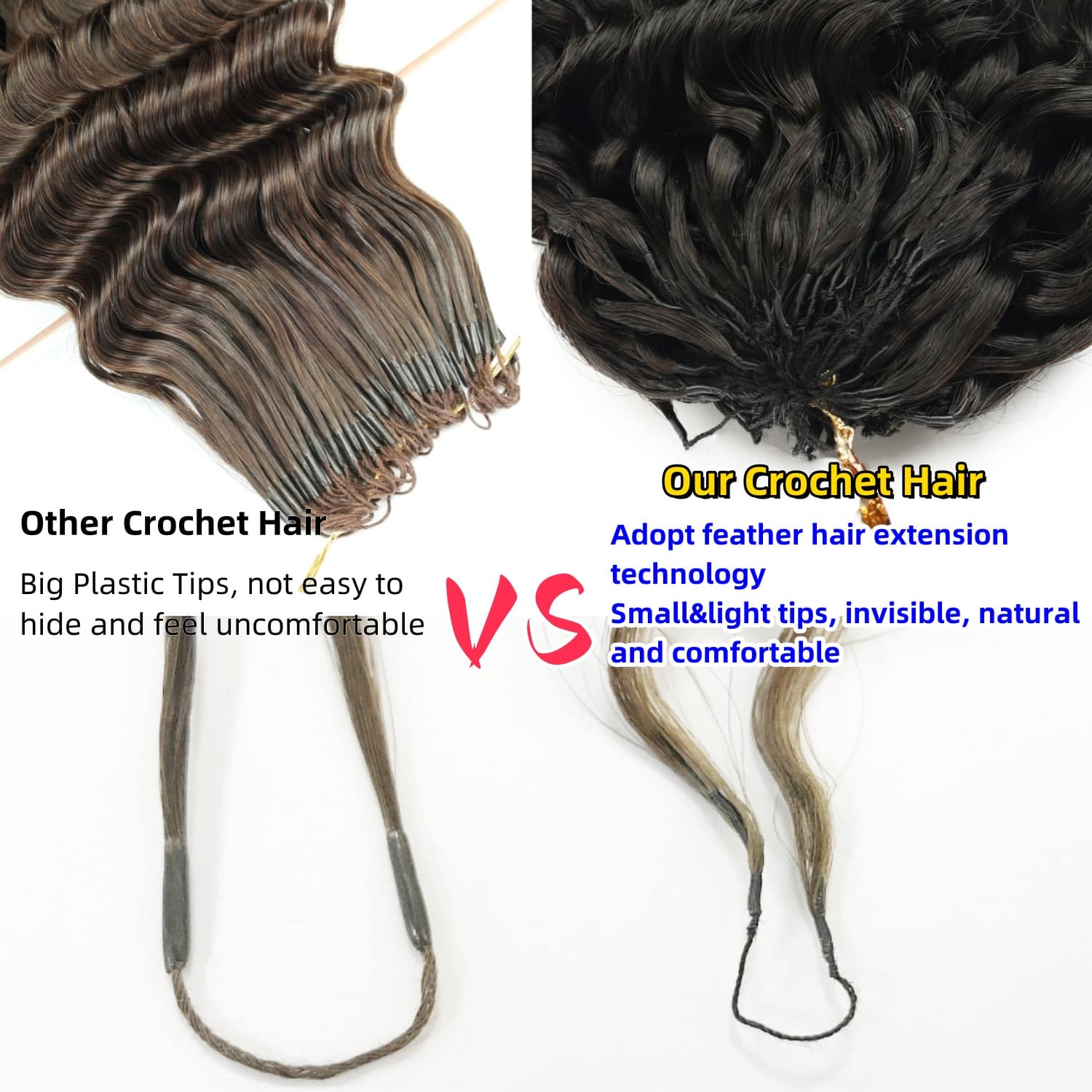
In the rapidly expanding world of beauty and e-commerce, human hair extensions and wigs represent a multi-billion dollar industry. For salon owners, stylists, and online retailers, the quality of the product they sell hinges entirely on one critical relationship: the one with their human hair vendor.
Whether you are a seasoned business owner looking to scale or a newcomer trying to break into the market, finding a reliable vendor is the cornerstone of success. But with thousands of suppliers—from local distributors to international factories—how do you separate the legitimate industry leaders from the scammers?
This guide will walk you through everything you need to know about human hair vendors, what to look for, the different types of suppliers, and how to ensure you are investing in hair that will keep your clients coming back.
What is a Human Hair Vendor?
A human hair vendor is a supplier or manufacturer that sources, processes, and distributes virgin human hair. The supply chain typically begins in collecting regions—primarily in India, Brazil, Peru, Cambodia, and Vietnam—where hair is often collected from temples or through direct sourcing. The vendor then processes this raw material through rigorous sorting, washing, disinfection, and quality control before packaging it for retail or wholesale clients.
The best vendors do not just sell hair; they act as business partners, providing consistency in texture, color, and durability.
The Importance of Quality Control
In the beauty industry, reputation is everything. A single batch of substandard hair—whether it sheds excessively, tangles, or fails to hold a curl—can destroy a salon’s credibility overnight.
Reputable human hair vendors distinguish themselves through strict quality control (QC) standards. This involves:
- Sourcing: Ensuring the hair is 100% human, unprocessed (virgin), and ethically sourced.
- Cuticle Alignment: High-quality vendors ensure all cuticles run in the same direction to prevent matting and tangling.
- Shedding Tests: Before shipment, reputable vendors perform rigorous tug tests to ensure the wefts or knots are secure.
When evaluating a vendor, always ask about their QC process. A vendor who is vague about their sourcing or quality checks is a red flag.
Types of Human Hair Vendors
Understanding the different tiers of suppliers will help you align your purchasing strategy with your business goals.
1. Manufacturers (Factories)
Manufacturers are the source. They operate the facilities where raw hair is converted into finished products like lace wigs, closures, and bulk bundles.
- Pros: Lowest prices, direct access to raw materials, ability to customize orders (private labeling).
- Cons: Often require large Minimum Order Quantities (MOQs)—sometimes 50 to 100 pieces per style. Communication can be challenging if located overseas.
2. Wholesale Distributors
Distributors buy in bulk from manufacturers and sell to retailers or small salons. They usually have warehouses in major markets like the US, UK, or China.
- Pros: Lower MOQs than factories, faster shipping times, established inventory, and often better customer service in your local language.
- Cons: Higher price point than factories; you are often buying pre-branded hair that cannot be customized.
3. Retail Vendors (Direct-to-Consumer)
These are the brands most consumers interact with. They sell directly to the end-user.
- Pros: No MOQ; great for stylists testing new textures.
- Cons: Highest cost per unit; you cannot scale a large business sustainably by buying retail.
Key Factors to Consider When Choosing a Vendor
1. Hair Grade and Origin
Not all “Virgin Hair” is created equal. You need a vendor who is transparent about the grade.
- Virgin Hair: Hair that has never been chemically processed (dyed or permed).
- Remy Hair: Hair where the cuticles are kept intact and aligned.
- Origin: Brazilian hair is known for its thickness; Peruvian for its lightweight body; Indian/Cambodian for its natural luster. A reliable vendor will specify the origin, whereas a low-quality vendor will simply label everything “Brazilian” regardless of the source.
2. Return and Refund Policies
One of the biggest pain points in the hair industry is the lack of accountability. Before signing on with a vendor, review their policy on:
- Defective items: What happens if the hair sheds 50% more than advertised?
- Shipping delays: Who covers the cost if the shipment is seized at customs?
- Color discrepancies: Do they accept returns if the “natural color” arrives chemically treated?
3. Supply Chain Consistency
Scalability is crucial. You need a vendor who can consistently supply the same texture, color, and length month after month. If your best-selling item is a 20-inch Straight Brazilian Bundle, your vendor must be able to replicate that exact product reliably. If they run out of stock frequently or change their manufacturing process without notice, your business suffers.
4. Ethical Sourcing and Sustainability
Modern consumers are increasingly concerned with the ethics behind their beauty products. The best human hair vendors are now emphasizing ethical sourcing—ensuring donors are fairly compensated, and the hair is collected without coercion.
- Ask your vendor: “Can you provide documentation on your sourcing practices?”
- Vendors who are certified or who openly discuss their supply chain often appeal more to the high-end market.
Red Flags to Avoid
As you vet potential suppliers, watch out for these warning signs:
- Stock Photos: If a vendor uses the same generic photos found on AliExpress or Pinterest for all their products, they likely do not manufacture or even stock the hair themselves. They are likely dropshippers with no quality control.
- Prices Too Good to Be True: If a vendor offers 100% Virgin Brazilian hair for $30 per bundle, it is chemically processed or synthetic. Quality virgin hair has a cost floor that cannot be undercut without sacrificing integrity.
- No Physical Address or Contact: A legitimate vendor should have a verifiable business address, a phone number, and responsive customer service. If they only communicate via WhatsApp with no business registration, proceed with caution.
Building a Long-Term Partnership
Switching vendors frequently is costly. It creates inconsistency for your clients and wastes time in vetting new suppliers. Once you find a human hair vendor who meets your standards for quality, reliability, and ethics, aim to build a partnership.
- Communicate your forecast: Let them know your upcoming sales cycles so they can reserve inventory for you.
- Request private labeling: If you are buying in volume, ask about private labeling. This allows you to put your brand logo on the packaging, increasing your brand equity and allowing you to charge a premium.
Conclusion
The human hair industry is as lucrative as it is competitive. Whether you are a wig maker, a salon owner, or an e-commerce entrepreneur, your success is directly tied to the reliability of your human hair vendor.
Take the time to vet suppliers thoroughly. Prioritize quality over the lowest price, demand transparency regarding sourcing, and always test the product before committing to a large wholesale order. By partnering with a reputable vendor who values quality and consistency, you are not just buying hair—you are investing in the longevity of your brand.